

GLP-1 Semaglutide Injection
Medically-guided GLP-1 therapy that targets appetite regulation for sustainable weight loss
Introduction
GLP-1 Semaglutide Injection for Weight Loss
Crash diets and extreme exercise plans often fail because they work against your biology rather than with it.
GLP-1 semaglutide injection is a doctor-prescribed treatment used in medical weight loss programmes in Singapore, designed to target the hormonal and neurological pathways that drive hunger, cravings, and portion control.
As a GLP-1 receptor agonist, semaglutide works by mimicking glucagon-like peptide-1, a naturally occurring hormone involved in appetite regulation and metabolic control. This allows for reduced caloric intake, improved portion control, and gradual fat reduction under structured medical supervision.
How
GLP-1 Injection Works for Weight Loss
GLP-1 receptors are located in areas of the brain that regulate satiety and food intake. When a GLP-1 semaglutide injection is administered, it activates these receptors to enhance fullness signalling and reduce hunger cues.
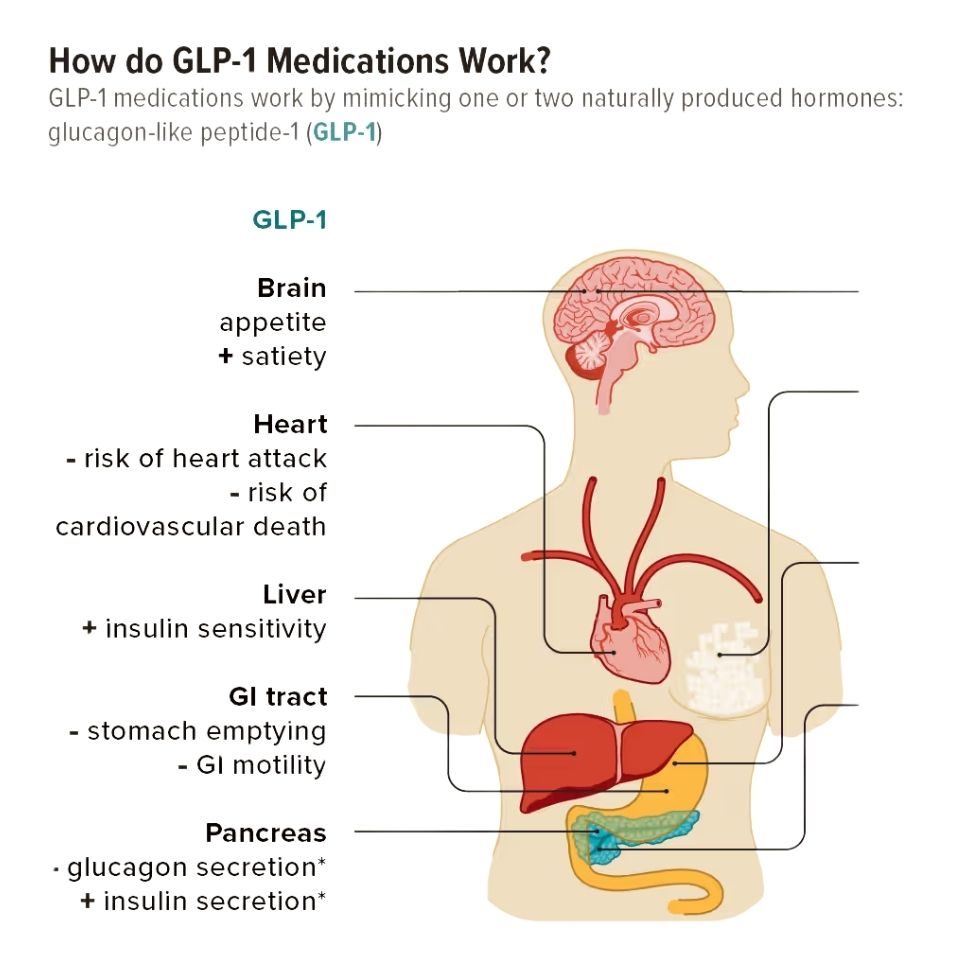
As a GLP-1 receptor agonist, semaglutide injection works by:
Increasing feelings of fullness
Reducing hunger and food cravings
Slowing gastric emptying
Improving insulin response
Supporting steady, sustainable weight reduction
Through appetite regulation and metabolic modulation, GLP-1 injection therapy helps patients achieve structured weight loss within a medically supervised programme.
Clinical studies have shown that GLP-1 receptor agonists may support clinically meaningful weight reduction when used as part of a comprehensive medical weight management plan. Individual results vary, and treatment suitability must be assessed by a doctor.
Who
Is Suitable for GLP-1 Semaglutide Injection

GLP-1 semaglutide injection may be considered for adults seeking doctor-supervised medical weight loss in Singapore.
In general, GLP-1 semaglutide injections may be appropriate for individuals who:
Have a Body Mass Index (BMI) of 23 or above based on Asian risk criteria
Have excess body weight associated with metabolic risk factors
Have experienced difficulty achieving sustained weight reduction through diet and exercise alone
Are medically suitable following clinical evaluation
In certain cases, individuals with a BMI slightly below the threshold may be considered if they have weight-related metabolic risk factors or other clinical indications.
GLP-1 injection is a prescription medication and suitability is determined on a case-by-case basis following medical evaluation by a doctor to ensure that the treatment is appropriate and safe.
What
To Expect During GLP-1 Semaglutide Treatment

Weekly Administration
GLP-1 semaglutide injections are administered once weekly as a subcutaneous injection, typically into the abdomen, thigh, or upper arm. The once-weekly injection helps maintain consistent appetite regulation and steady therapeutic levels.
During your first visit, a doctor will guide you on proper injection technique and the dosing schedule.
Dose Escalation and Monitoring
The treatment usually starts at a lower dose to help the body adjust and minimise potential side effects. The dose may be increased gradually over several weeks depending on tolerance, weight loss response, metabolic profile, and clinical goals.
Follow-Up Consultations
After starting GLP-1 semaglutide injection, patients typically have follow-up consultations with our doctors once a month. During these visits, our doctors monitor side effects and overall tolerance to ensure the treatment remains safe and manageable.
They will also assess weight loss progress and review metabolic markers to track effectiveness. If needed, the dosage may be adjusted based on individual response, tolerance, and treatment goals.
Each consultation provides an opportunity to review overall health and discuss next steps, ensuring that the therapy is tailored to each patient’s needs and supports sustainable weight reduction.
FAQ
Frequently Asked Questions
What happens if I stop GLP-1 semaglutide treatment?
If you stop GLP-1 therapy, the appetite-suppressing effects gradually decrease. Many patients choose to discontinue once they have reached their personal weight loss goals, using the healthy habits they developed during treatment to maintain progress.
This doesn’t mean your efforts are lost — it’s an opportunity to reinforce healthy habits you’ve built. This approach makes stopping treatment a positive milestone rather than a setback. Continuing lifestyle strategies such as balanced meals, portion control, and regular physical activity helps support sustainable, long-term weight management even after discontinuing the medication.
The key is to treat GLP-1 as a tool to jumpstart sustainable weight management, not a lifelong crutch.
Is it painful to inject GLP-1 semaglutide injection?
Most patients find the injections very manageable. The injection is subcutaneous, usually into the abdomen, thigh, or upper arm, and is designed for comfort and ease of use.
Any mild discomfort is brief, and minor redness or swelling usually resolves quickly. With guidance from our doctors, most people feel confident self-administering their weekly injection at home, making it a simple and low-stress part of their routine.
Can GLP-1 semaglutide injection replace diet and exercise?
GLP-1 semaglutide injections are a powerful tool for supporting weight loss, but it works best when combined with healthy lifestyle habits.
While it helps reduce hunger, improve portion control, and support steady weight reduction, it does not replace the benefits of a balanced diet and regular exercise. Patients who combine Wegovy with mindful eating, portion control, and physical activity tend to achieve more sustainable results, improve overall metabolic health, and maintain their weight loss long-term.
Think of it as a partner in your weight loss journey, it gives your body support while you build the habits that keep the weight off for good.
What are the common side effects of GLP-1 semaglutide injection?
The most common side effects are generally gastrointestinal, including nausea, bloating, and mild diarrhea. These effects are often temporary and tend to decrease as the body adjusts to the medication. Regular follow-up consultations allow doctors to monitor side effects, adjust dosage if necessary, and ensure treatment safety.