

Melasma Treatment in Singapore
Doctor-led melasma treatments for persistent, recurrent pigmentation
introduction
Understanding Melasma
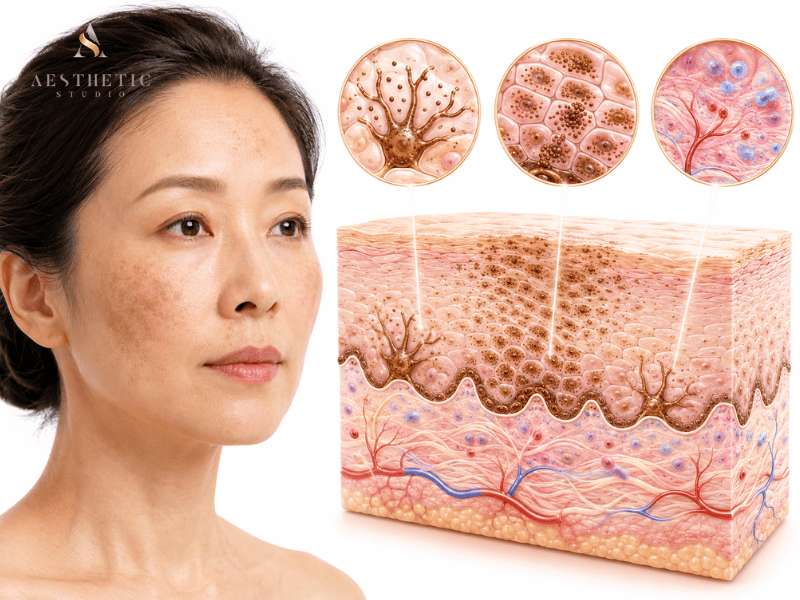
Melasma is a common yet complex pigmentation condition that causes dark, irregular patches on the skin. It most often appears across sun-exposed areas of the face, particularly the cheeks, forehead, upper lip and nose.
Although melasma is sometimes described simply as skin discolouration, it is a multifactorial skin condition that can behave differently from one person to another. The pigmentation may vary in colour, pattern, depth and severity, and it can become more noticeable over time or return after initially improving.
For this reason, effective melasma treatment involves more than lightening the visible patches on the skin’s surface. It begins with understanding the individual pigmentation pattern and developing an appropriate treatment and maintenance plan for longer-term control.
CAUSES
What Causes Melasma?
Melasma occurs when pigment-producing cells become overactive, causing melanin to accumulate unevenly and form irregular dark patches.
There is rarely one cause. Genetics and hormones may increase susceptibility, while light, heat, inflammation and irritation can trigger further pigmentation.
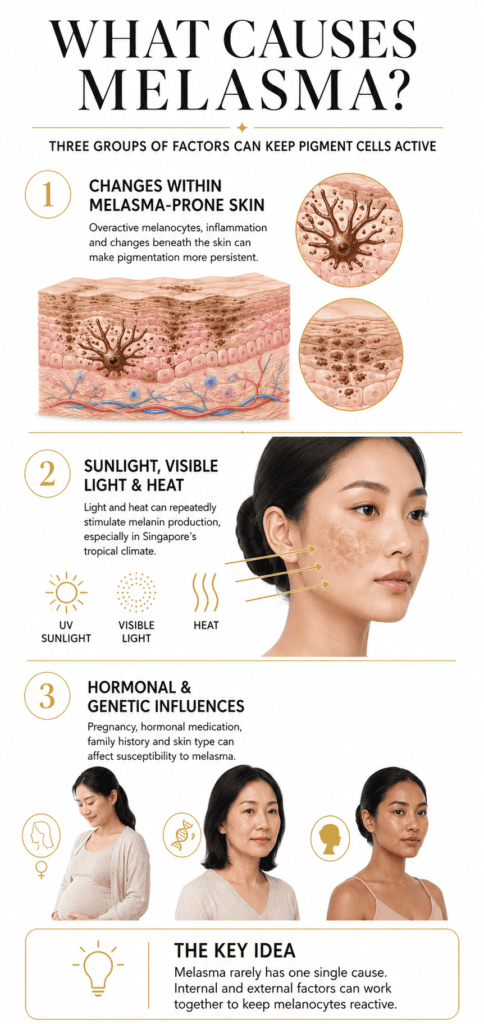
Changes Within Melasma-Prone Skin
Melasma involves more than excess pigment on the skin’s surface. Several underlying changes may keep melanocytes more easily activated:
- Overactive melanocytes produce and distribute melanin unevenly in response to internal and external stimulation.
- Inflammation and barrier disruption caused by irritation, harsh skincare or aggressive procedures may stimulate further pigmentation.
- Vascular and dermal changes associated with sun exposure and ageing may contribute to persistent or recurring melasma.
Sunlight, Visible Light and Heat
Environmental exposure can repeatedly reactivate pigment-producing cells, particularly in Singapore’s tropical climate:
- UVA and UVB radiation stimulate melanocytes, darkening existing patches and encouraging further melanin production.
- Visible light from the sun may worsen melasma, especially in medium to deeper skin tones.
- Heat and high temperatures may increase inflammation and vascular activity, contributing to melasma flare-ups in some individuals.
Hormonal and Genetic Influences
Internal susceptibility affects how readily melanocytes respond to light, heat, inflammation and other triggers:
- Pregnancy-related hormonal changes may trigger melasma or make existing pigmentation more noticeable.
- Oral contraceptives and hormone therapy may contribute to melasma in people who are already susceptible.
- Genetics and skin type can increase risk, particularly with a family history of melasma or more pigment-responsive Asian skin.
Treatments
Our Multi-Layered Approach to Treating Melasma
Effective melasma treatment rarely depends on one procedure alone. Treatment planning should consider the stability of the skin barrier, melanocyte activity, existing pigment, contributing dermal changes and the risk of recurrence.
Our doctors may combine different treatment layers according to the patient’s melasma pattern, pigment depth, skin sensitivity, triggers and previous treatment response. Not every patient will require every layer, and the sequence is individualised.
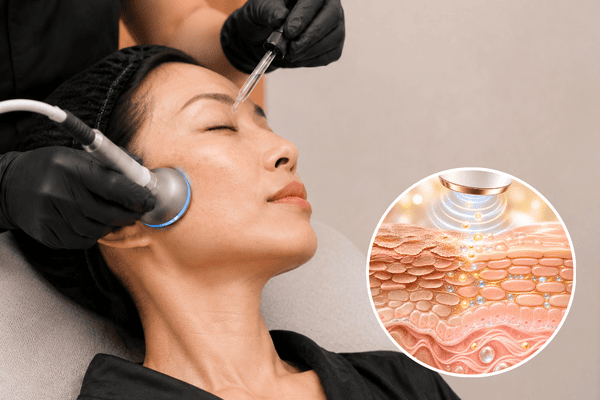
Prescription skincare may be used to strengthen the skin barrier before more active pigmentation procedures are introduced. Lorient Element, a topical skinbooster, may also be paired with LDM Ultrasound to support the delivery of selected brightening and barrier-restoring serums.
Clinical Rationale
Inflammation, irritation and barrier disruption can make melanocytes more reactive while reducing the skin’s tolerance for treatment. Creating a calmer, more stable skin environment may lower the risk of aggravation and help the skin respond more predictably to subsequent laser, chemical peel or RF microneedling treatments.
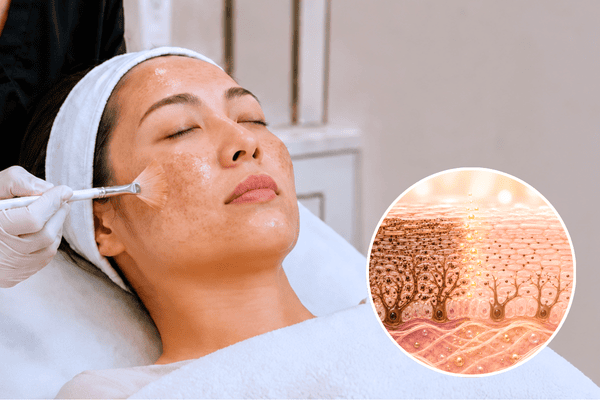
For widespread or persistent melasma, our doctors may recommend professional depigmenting programmes such as Cosmelan® or Dermamelan®. These systems combine pigment-correcting active ingredients with a prescribed homecare regimen to progressively reduce uneven pigmentation and regulate excessive melanin production.
Clinical Rationale
Unlike a conventional surface peel, these programmes are designed to influence ongoing pigment production over time. They may be considered when melanocyte activity remains persistent or pigmentation is widespread, and can be incorporated alongside laser or RF microneedling treatments within a broader melasma management plan.
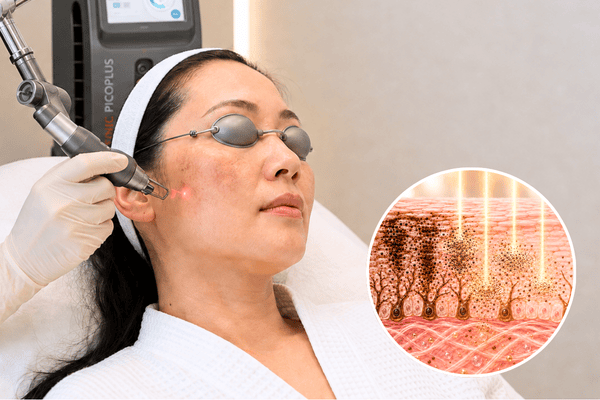
Our doctors may use Picosecond Lasers, Q-switched Lasers or the Multifrax Digital Peel to target melanin that has accumulated at different skin depths. Wavelength, energy and treatment intervals are adjusted according to the patient’s skin type, pigment depth and melasma activity.
Clinical Rationale
Laser treatment for melasma requires careful calibration. The objective is to break down excess pigmentation while limiting excessive heat and inflammation, which may provoke post-inflammatory hyperpigmentation or rebound darkening. Different technologies may be selected or combined according to the pigment characteristics and the skin’s response.
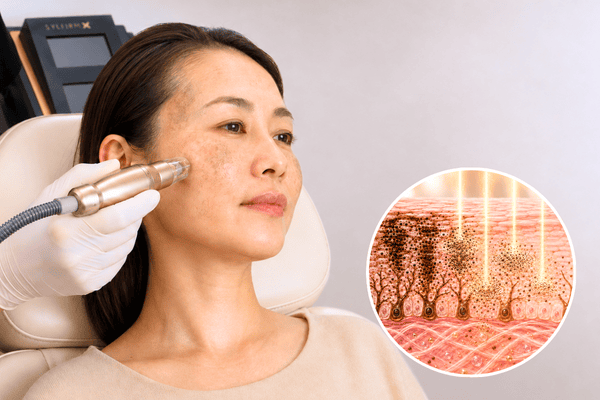
Sylfirm X Microneedling delivers controlled radiofrequency energy through ultra-fine, gold-coated microneedles into selected skin depths. For suitable patients, it may be incorporated alongside pigment-targeting treatments to address relevant dermal and vascular changes while supporting collagen remodelling, texture and firmness.
Clinical Rationale
Inflammation, irritation and barrier disruption can make melanocytes more reactive while reducing the skin’s tolerance for treatment. Creating a calmer, more stable skin environment may lower the risk of aggravation and help the skin respond more predictably to subsequent laser, chemical peel or RF microneedling treatments.
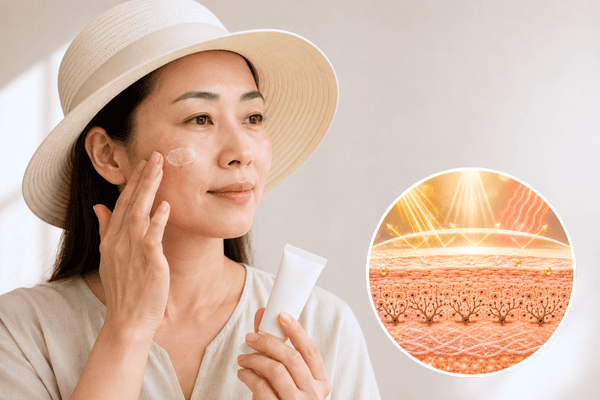
A personalised maintenance plan may include broad-spectrum sun protection, antioxidants, pigment-correcting actives, retinoids and barrier-strengthening skincare. In selected cases, our doctors may also recommend adjunctive oral support such as Heliocare®, Crystal Tomato® or MitoQ Derma Elite®.
Clinical Rationale
Visible improvement does not remove the skin’s underlying tendency to develop melasma. Ongoing exposure to ultraviolet radiation, visible light, heat and irritation may reactivate pigmentation. Maintenance therefore focuses on reducing daily melanocyte stimulation, preserving treatment results and managing recurring flare-ups, particularly in Singapore’s tropical climate.
Insights
Doctor-Led Insights Into Melasma
Is Melasma a Pigment Problem or a Vascular One?
Melasma may involve more than excess pigment alone. Learn how vascular activity, inflammation and changes within the deeper skin environment may contribute to persistent melasma.
Why One Treatment Is Rarely Enough for Melasma
Melasma is influenced by multiple triggers and changes within the skin. This video explains why effective management may require a layered strategy and ongoing maintenance.
Why We Pair Pigment Lasers With Sylfirm X
Pigment lasers target visible melanin, while Sylfirm X addresses deeper changes that may contribute to melasma persistence. Learn how this combination may help achieve more sustained improvement.
FAQ
Frequently Asked Questions
Can melasma go away on its own?
Melasma can sometimes fade when a particular trigger subsides. For example, pregnancy-associated melasma may become lighter after delivery, and hormonally influenced pigmentation may improve when hormone levels change.
However, many cases persist for years or repeatedly return with sunlight, visible light, heat, hormonal changes or skin inflammation. If the pigmentation remains noticeable, treatment may help control pigment production and reduce existing patches, but continued protection and maintenance are usually required.
Can pico laser make melasma worse?
Yes, laser treatment can aggravate melasma if it produces excessive heat, inflammation or skin injury. This may stimulate further melanin production and lead to post-inflammatory hyperpigmentation or rebound darkening.
However, this does not mean that picosecond or other pigment lasers are unsuitable for every patient with melasma. They may help reduce accumulated pigment when the technology, wavelength, energy, treatment interval and patient selection are appropriate. The skin’s stability and previous treatment response should be considered before laser treatment is recommended.
For a fuller explanation, read our guide to whether pico laser can worsen melasma.
Why does melasma keep coming back?
Melasma returns because the factors that make pigment-producing cells reactive may remain present after the visible patches have faded. Sunlight, visible light, heat, hormonal influences, inflammation and skin irritation can stimulate melanocytes again.
Persistent melasma may also involve changes in the skin barrier, basement membrane, superficial blood vessels and dermal environment. Treating visible pigment alone may therefore provide temporary improvement without addressing the other factors contributing to recurrence.
Can home remedies remove melasma?
Home remedies are unlikely to address the multiple processes involved in melasma. Ingredients such as lemon juice, vinegar or abrasive scrubs may also irritate the skin, weaken the barrier and trigger further pigmentation.
A gentle homecare routine and consistent sun protection can support melasma management, but persistent pigmentation may require properly selected topical or procedural treatment. Read more about whether home remedies for melasma work.
Can melasma be permanently removed?
Melasma is usually considered manageable rather than permanently curable. Treatment may lighten the visible pigmentation considerably, but it does not necessarily remove the skin’s underlying tendency to produce melasma.
Melanocytes may remain sensitive to ultraviolet radiation, visible light, heat, hormones and inflammation even after the patches have improved. The aim is therefore to achieve meaningful pigment reduction, stabilise the skin and reduce the frequency or severity of future flare-ups through appropriate maintenance.
Is melasma the same as sun spots or freckles?
No. While all involve pigmentation, melasma differs from sun spots or freckles in several ways. Melasma is usually larger, symmetrical, and more persistent, with pigment often located in both the epidermis and dermis, making it harder to treat.
Sun spots and freckles are typically surface-level, lighter, and more responsive to topical treatments, whereas melasma often requires multi-modality professional intervention for long-term control.
What is the best melasma treatment in Singapore?
There is no single best melasma treatment for every patient. The appropriate approach depends on the pigmentation pattern, skin type, pigment depth, skin sensitivity, contributing triggers and response to previous treatments.
A treatment plan may include prescription skincare, professional depigmenting programmes, chemical peels, picosecond or Q-switched lasers, RF microneedling and long-term photoprotection. Some patients may begin with skin stabilisation, while others may be suitable for carefully calibrated procedures. Not every patient will require every treatment layer.
How do I know which melasma treatment is right for me?
Choosing the most effective melasma treatment depends on several factors, including your melasma type (epidermal, dermal, or mixed), skin type, severity, triggers, and any previous treatments. Because melasma is complex and highly individual, it is best to consult a professional clinic, where a doctor can perform a thorough assessment using clinical evaluation and your personal history.
From there, a customized, multi-layered treatment plan can be designed, potentially combining lasers, gold RF microneedling, chemical peels, medical serums, prescription skincare, and oral supplements.
This ensures that both surface pigmentation and deeper melanocyte activity are addressed safely and effectively, giving you the best chance for long-lasting, stable results.
How long does it take to see results from melasma treatment?
The timeline varies depending on the type, depth, and severity of melasma. Epidermal melasma may respond within 4–6 weeks of consistent treatment, while dermal or mixed melasma may take several months to show significant improvement. Multi-layered approaches combining lasers, microneedling, chemical peels, and prescription skincare typically yield the fastest and most durable results. Regular follow-ups are crucial to monitor progress and prevent rebound pigmentation.
How can I prevent melasma from returning after treatment?
Preventing recurrence requires consistent protection and maintenance, not just one-off treatments. Daily use of broad-spectrum sunscreen, sun-protective clothing, and minimizing heat and visible light exposure is critical. Supporting the skin barrier with medical-grade skincare, antioxidants, and pigment-correcting products also helps reduce triggers.
A comprehensive, ongoing plan tailored by a specialist is the most effective way to maintain results and keep pigmentation at bay.
Why does melasma worsen in summer or in Singapore's climate?
Melasma often worsens in sunny and tropical climates like Singapore due to high levels of ultraviolet (UV) radiation, visible light, and heat, all of which stimulate melanocytes to produce more pigment. Even incidental sun exposure, such as walking outdoors or commuting, can trigger darkening of existing patches or the formation of new ones. This can be frustrating for patients who feel their pigmentation returns despite treatments.
Understanding the environmental triggers is essential for effective long-term management, and combining strict sun protection with professional treatments helps minimize flare-ups while giving skin a chance to recover.