

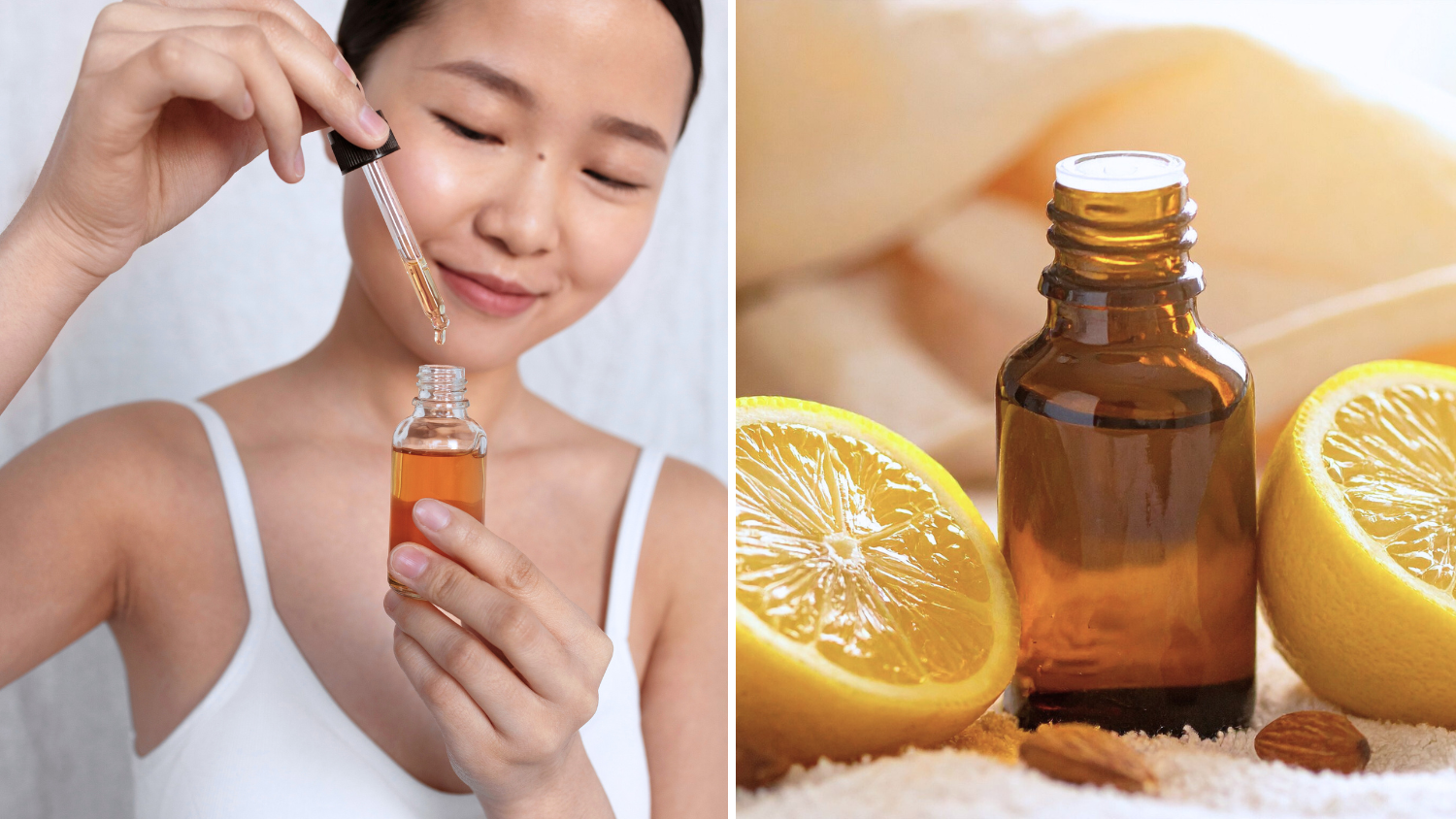
When dark patches appear on the cheeks, many people immediately search for home remedies for melasma: lemon juice, apple cider vinegar, turmeric masks, or DIY scrubs. But do these natural approaches actually work?
The appeal is understandable: they feel accessible, affordable, and “natural.” But melasma is not a simple surface stain.
Before trying natural melasma treatments, it is important to understand what you are actually dealing with, and why many home remedies fail to produce lasting improvement.
Melasma Is Biologically Active, Not Just Surface Pigment
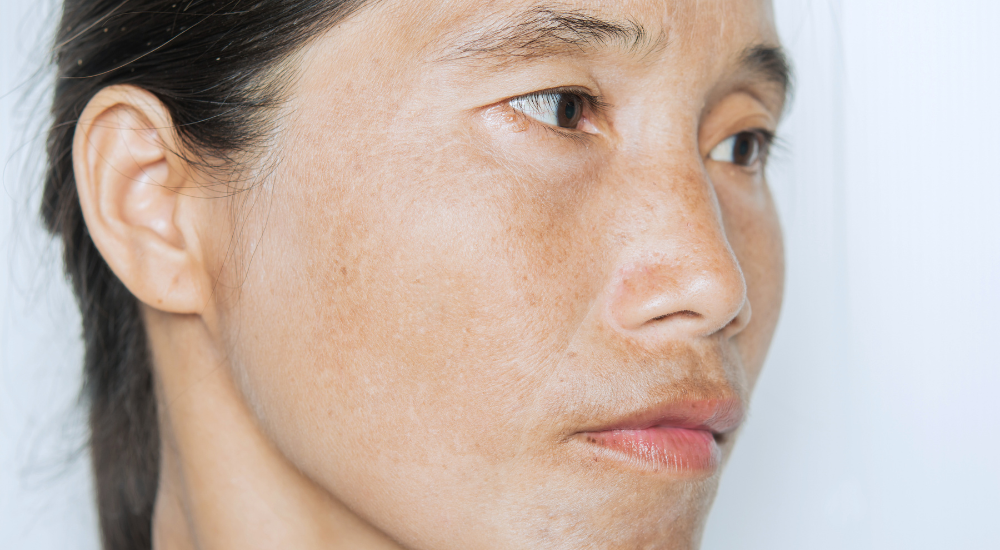
Melasma is a chronic pigmentation condition driven by multiple triggers:
- Hormonal fluctuations
- Ultraviolet (UV) and visible light exposure
- Heat
- Inflammation
- Genetic predisposition
Unlike isolated freckles or sun spots, melasma often extends deeper into the skin and is highly reactive. Even mild irritation can stimulate more pigment production.
In Singapore’s climate where UV exposure is consistent year-round, this reactivity becomes even more relevant. This is why melasma home treatment effectiveness is often limited.
Why Most Home Remedies Rarely Deliver Results
Some ingredients used in DIY treatments do contain properties associated with brightening. For example, turmeric and certain plant extracts have been studied in controlled formulations.
However, there is a difference between:
- A stabilised, medically-formulated ingredient and
- A raw kitchen-based application
Clinical formulations are developed with precision. They are stabilised for consistent potency, buffered to reduce irritation, and engineered for controlled penetration into the skin. These details matter because melasma-prone skin is highly sensitive to inflammation.

In contrast, home remedies are unpredictable. Concentrations vary. Acidity is uncontrolled. Penetration depth is limited. There is no safeguard to protect the skin barrier. Acidic ingredients such as lemon juice or vinegar can disrupt barrier integrity. And when the barrier is compromised, melanocytes become more reactive.
What was intended to lighten pigmentation may instead stimulate more of it.
Many of our patients only seek professional help after months of repeated irritation — when pigmentation has deepened, become more defined, or grown increasingly resistant to treatment.
Early, structured intervention often produces more stable outcomes than prolonged trial-and-error.
What Actually Improves Melasma?
Effective melasma management is rarely about a single product or quick fix. It requires a multi-layered approach designed not only to target pigment, but also to stabilise the skin environment.
Melasma-prone skin is highly sensitive and often barrier-compromised. Excessive exfoliation, unregulated acids, or repeated DIY treatments can weaken the barrier further, making it more reactive. In other words, if the barrier is unstable, pigment control becomes difficult.
Why Doctor-Led Assessment Matters for Melasma
Because of this, seeking professional guidance from a doctor who understands skin biology is crucial. A thorough evaluation goes beyond surface pigmentation and considers:
- Depth of pigment (epidermal, dermal, or mixed)
- Skin barrier condition
- Degree of inflammation
- Hormonal or vascular contributors
Without this assessment, treatment becomes trial-and-error. And with melasma, trial-and-error often worsens the condition.
Treatment must prioritise calming the skin before aggressively targeting pigment. Excess heat, overly strong resurfacing, or inappropriate laser settings can destabilise the barrier further and trigger rebound darkening — particularly in Asian skin types commonly seen in Singapore.
This is why treatments performed by unlicensed practitioners, such as at some spas, beauty salons, or non-medical clinics, carry additional risk. Without medical training, these providers may not recognise subtle signs of barrier compromise, properly assess pigment depth, or adjust energy-based devices for safe use. Even well-intentioned treatments can inadvertently worsen pigmentation, cause prolonged irritation, or lead to uneven results.
Effective Treatments for Melasma in Singapore
Professional care introduces interventions progressively. First, the skin is stabilised and strengthened. Only then are pigment-targeting treatments applied — a sequence that reduces the risk of rebound darkening and supports long-term results.
Treatments That Work for Melasma include:
- Picosecond lasers: Fragment pigment precisely with minimal heat
- RF Microneedling (Sylfirm X): Addresses vascular factors contributing to pigment persistence
- Depigment chemical peels: Regulate melanocyte activity and reduce excess pigment safely
- Clinical serum infusions (Lorient Element): Deliver potent actives into deeper skin layers
Unlike at-home remedies, these interventions are personalised. The plan accounts for melasma type, skin reactivity, and long-term maintenance. This approach improves outcomes, reduces recurrence, and maintains clearer, healthier skin over time.
Get a Personalised Melasma Treatment Plan
For those who have struggled with home remedies or melasma treatments, a professional assessment is the safest route to achieving lasting improvement. A personalised consultation helps identify triggers, confirm pigment type, and develop a structured treatment strategy tailored specifically for your skin.