

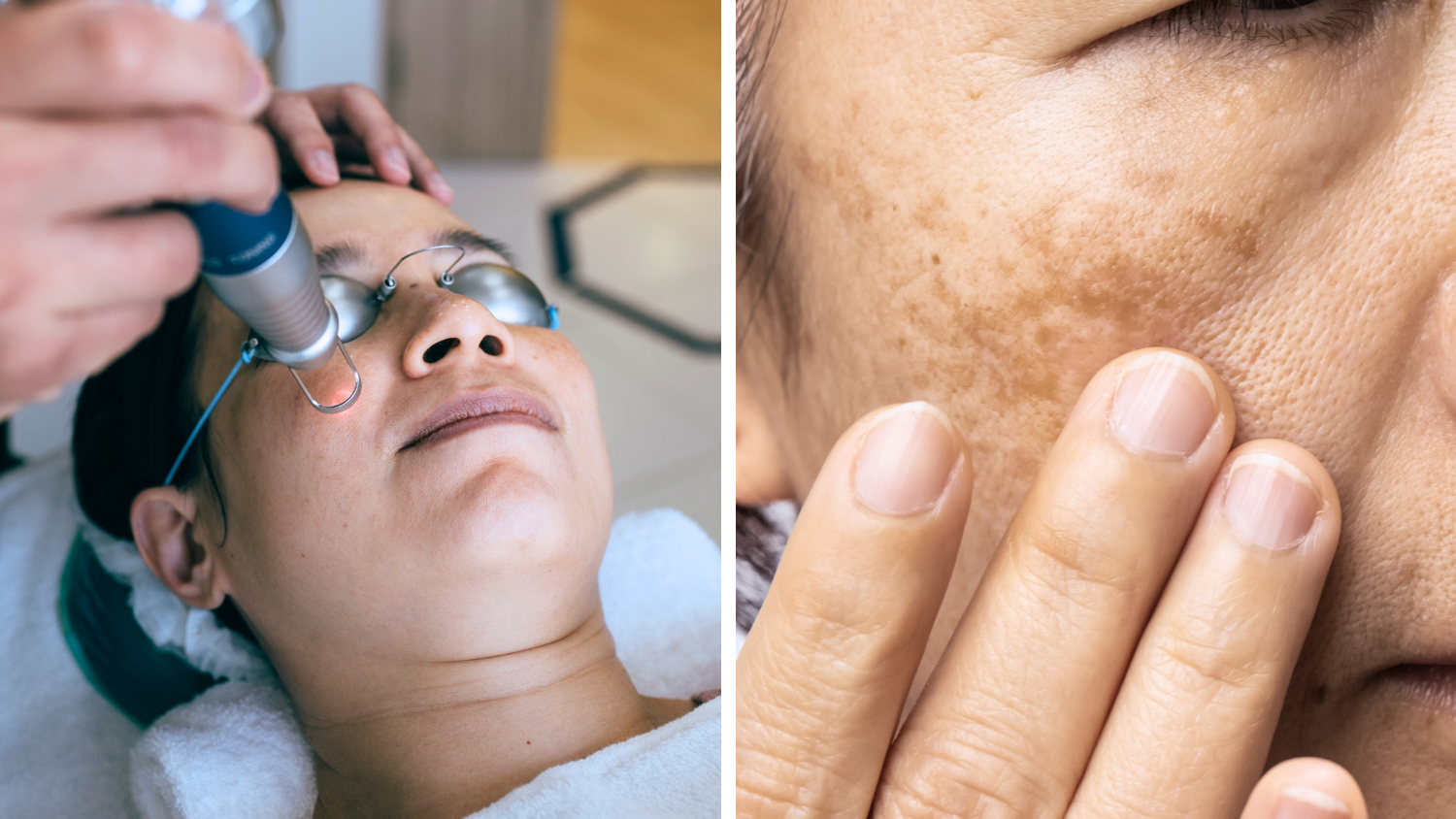
If you’ve been researching pico laser for melasma, you’ve likely come across a mix of advice — some clinics tout it as a game-changer, while others warn it could be “bad for melasma.” Many patients we see have tried it elsewhere, only to find results inconsistent or pigmentation returning shortly after.
With so many conflicting opinions, it’s no wonder people feel confused.
So, What’s The Real Story?
The truth is more nuanced than the headlines suggest — pico laser isn’t inherently harmful for melasma. What really matters is how it’s applied, the condition of your skin, and the treatment plan behind it.
Pico lasers aren’t a miracle fix, but they’re also not a mistake. Success depends on biology, protocol, and context, rather than the device name alone.
In this article, we’ll explain why pico laser results can vary, why some patients feel it “doesn’t work,” and how melasma can be managed effectively in Singapore for long-lasting results.
Why Melasma Is More Than Just Pigment
Melasma isn’t simply a matter of dark spots. Unlike freckles or sun damage, it’s a complex, chronic skin condition involving overactive melanocytes (pigment-producing cells), low-grade chronic inflammation, a weakened skin barrier, changes in dermal support structures, and sometimes increased vascular activity under the skin.
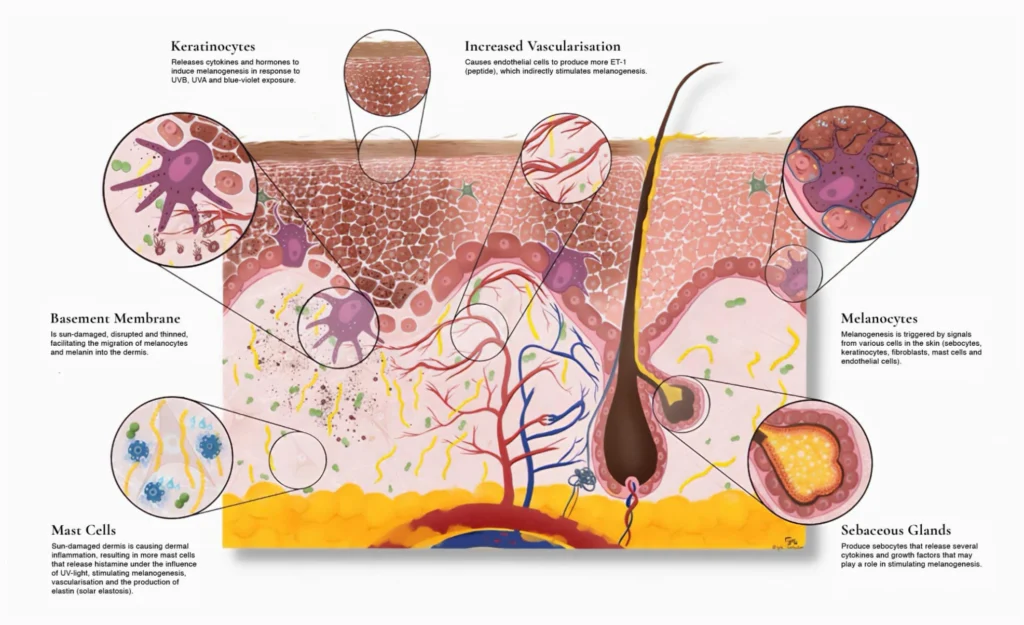 Illustration of melasma pathophysiology, showing pigment formation in the epidermis and dermis, highlighting why deeper pigmentation is harder to treat.
Because of these factors, melasma often darkens with sun, heat, or stress. It may show temporary improvement before relapsing and reacts differently in each person. Treating melasma by focusing only on visible pigment is why some people see inconsistent results or feel like lasers make it worse.
The right approach looks beyond the surface and addresses the underlying biology of the skin.
How Pico Lasers Work for Melasma
Picosecond lasers deliver ultra-short bursts of energy that break pigment into tiny particles with minimal heat damage. This precision makes them especially suitable for Asian skin, which is more prone to post‑inflammatory pigmentation.
Clinical research supports their use in melasma. In a study by (Wong et al., 2021), Asian patients with facial melasma were treated with a fractionated non-ablative picosecond laser. The study reported significant improvements in pigmentation, with over 70% of participants satisfied with their results. Importantly, no hypo- or hyperpigmentation was observed, demonstrating both the safety and effectiveness of pico lasers.
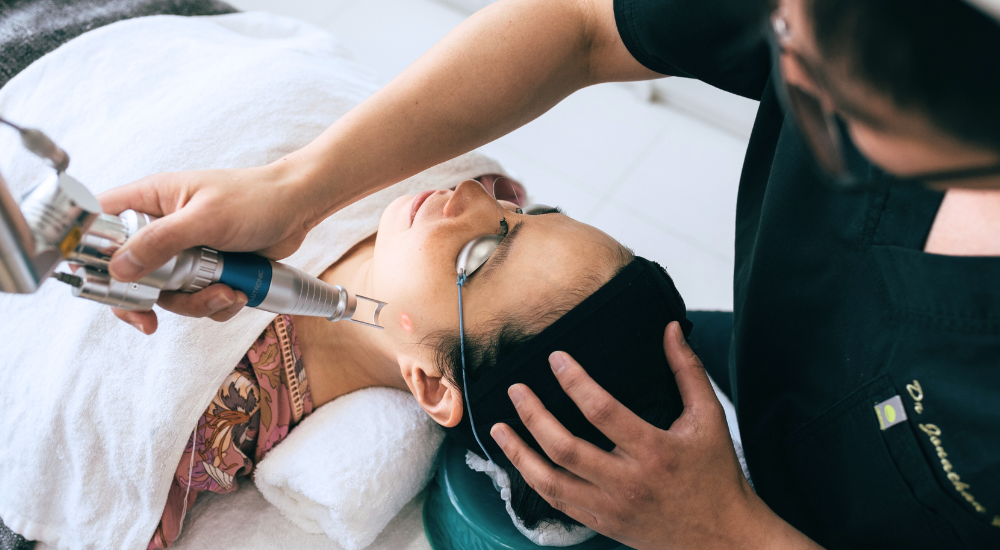
When treating melasma with pico lasers, our doctors typically use two main approaches:
1. Pico Laser Toning which involves multiple passes using low-energy pulses to calm overactive melanocytes and reduce inflammation. It is gentle enough for darker skin types and helps minimize the risk of rebound pigmentation.
2. Fractional Pico Laser by dividing energy into thousands of micro-columns, stimulating collagen production and strengthening dermal support. By addressing the underlying skin structure, it helps reduce melasma recurrence, not just surface pigment.
Why Some People Say Pico Laser Doesn’t Work
Even though pico lasers are highly effective for melasma, outcomes can vary — and this is often why some patients feel it “didn’t work.” Several factors influence results:
Depth of Pigment
The depth of melasma pigment is a major determinant of how well pico lasers perform. Superficial, epidermal melasma generally responds more quickly, while deeper dermal or mixed types can be more resistant. If a treatment focuses only on surface pigment, deeper pigment may remain, giving the impression that the laser “failed”.
Skin Barrier Health & Inflammation
Compromised or inflamed skin can activate melanocytes, leading to pigment rebound. Patients with sensitive skin may experience redness, irritation, or post-inflammatory hyperpigmentation if the laser is applied too aggressively. This is why pre-treatment barrier repair and anti-inflammatory care are often recommended before laser sessions.
Treatment Protocol
How the laser is used — energy level, pulse frequency, and session spacing — can significantly impact results. Too high energy, too few sessions, or sessions spaced too closely together can trigger skin irritation, mottled pigmentation, or delayed rebound, making melasma appear worse.
Environmental Factors
Environmental triggers are particularly relevant in Singapore. High UV exposure, heat, and humidity can stimulate pigment formation, causing melasma to return even after well-performed laser treatments.
Lack of Layered Care
Lasers alone often cannot provide durable results because melasma is a multifactorial condition — pigment is influenced not just by melanocytes, but also by inflammation, vascular changes, and the skin’s structural support.
For stubborn or recurrent cases, we often layer pico laser treatments with RF microneedling devices (such as Sylfirm X) to strengthen the dermal support, reduce vascular contributions to pigmentation, and enhance overall skin health.
This provides a more comprehensive approach that reduces recurrence and delivers longer-lasting results.
Key takeaway: If a previous pico laser treatment didn’t meet expectations, it usually doesn’t mean the treatment is “bad.” Differences in results are often due to pigment depth, skin health, treatment technique, and post-laser care, rather than the device itself.
When Pico Lasers Are Most Effective
With decades of treating melasma in our Singapore clinic, our clinical experience shows that pico lasers are most successful when several key factors are in place:
-
- Pigmentation is primarily superficial
-
- Skin barrier is healthy and inflammation is controlled
-
- Treatment sessions are properly spaced, allowing adequate recovery time between sessions
-
- Combined with supportive treatments — layering pico laser with:
-
- Sylfirm X RF microneedling to stimulate collagen and strengthen dermal support
-
- Non-ablative fractional lasers to enhance skin repair
-
- Skin barrier repair and topical depigmenting agents for long-term pigment control
-
- Combined with supportive treatments — layering pico laser with:
This layered, multi-factorial approach produces more predictable and longer-lasting results than repeated laser sessions alone.
What To Do If Melasma Returns
If pigmentation comes back, it often indicates that pigment depth was underestimated, skin barrier or inflammation wasn’t addressed first, or the laser protocol wasn’t tailored to the patient’s skin type or lifestyle. The most effective approach is a personalized assessment by a qualified doctor, rather than repeating the same laser sessions blindly.