

All You Need to Know About Acne Scars
The Bad, The Ugly, and the Hopeful
Scars – the eventuality of poorly healed wounds, be it acne or other forms of trauma to the skin. Whether due to uncontrolled inflammation, as in acne, or wounds from trauma, scars can be minimised and sometimes avoided with good control of the underlying inflammation – hence the stress on the importance of proper acne management. For those of us who are late to the game and already bestowed with the unsightly scars, treatment to reduce their appearance is still possible and life-changing for many.
The greatest damage acne scars and large pores do to you is how you feel about yourself inside, and not how you look on the outside. That is why at Aesthetic Studio, we have various treatment options for acne scars and large pores to give you back that self confidence you need and to look good.
What are Acne Scars and Large Pores?
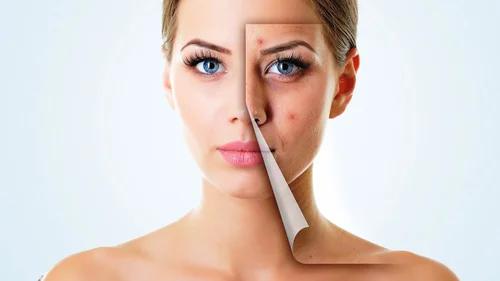
Poorly controlled acne can often result in disfiguring acne scars and large pores and a significant impact ones appearance and self-esteem. Keeping your skin well conditioned and preventing active acne breakouts is the best way to prevent future scars.
Acne scars and large pores result when there is damage to the skin’s normal anatomy and structure. They form when damaged skin attempts to heal – healing occurs in the background of uncontrolled inflammation, possible infection and excessive tension on the skin due to underlying pressure from fluid collection. Collagen and fibroblasts are laid down haphazardly and the resultant healed scar serves only one purpose – to close off the wound and protect the underlying skin from its surrounding environment.
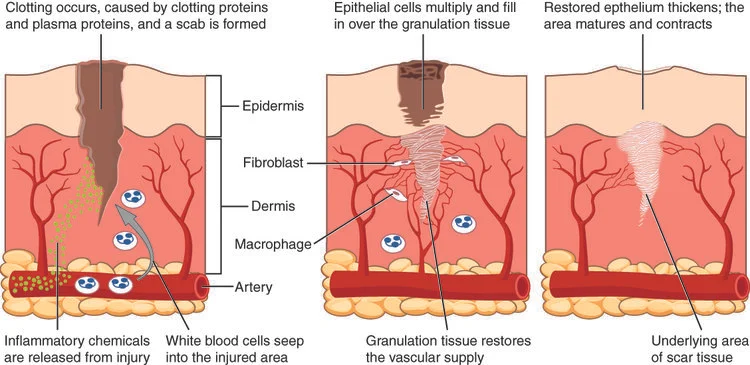
The scar is typically unsightly and uneven in tone and texture, leaving a trail of evidence of previous underlying toil. These scars are the final product of the healing pathway and are permanent, unless strong enough a stimuli is provided to promote a controlled and gradual remodelling of the underlying collagen.
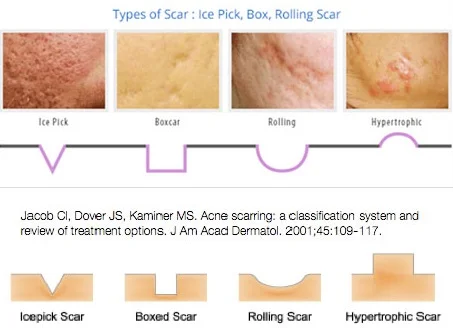
Scars can take different forms (rolling scars, depressed scars, pitted scars, etc), each requiring different approaches to treatment, and often a combination of different treatments give the best results.
Type of Scars
Scars fall into two sub-categories: Atrophic or Hypertrophic forms.
Atrophic scars are the most common end products of acne, and include the following:
1) Ice-pick scars
2) Box scars
3) Rolling scars
Hypertrophic scars can occur, but are usually in other forms of tissue trauma and can have a genetic predisposition. The types include:
1) Keloids
2) Hypertrophic scars
What Is Scar Treatment?
Scars form due to the above reason, and typically are
Texturally irregular
Often contracted and tethered to the underlying deeper dermis
Of poorer quality, vis-a-vis to surrounding skin
Often pigmented in the early phases of scarring, known as post-inflammatory hyperpigmentation (PIH)
Treatments revolve around reversing the above changes. As such scars have to be:
Stimulated to remodel collagen to improve superficial and deep scar appearance
Stimulated and nourished to thicken and improve the quality of the skin
Released of any tethering from the deeper dermis to allow lifting of the scar
Normalise pigmentation of the scar
Ideally, a single type of treatment would solve all of the above, but in view of the different shapes and types of scars, multiple modalities are often required for optimal results.
Type of Scar Treatments

RESURFACING ECO2 OR PICOPLUS LASER
Skin resurfacing and stimulation with lasers is the mainstay of scar treatment.
Light and heat energy is used to break down scar tissue and force remodelling of collagen over the course of months to a year.
Downtime varies depending on the lasers and intensities used, and 1 treatment is done every 4-6 weeks for up to 5-8 sessions for optimal results.
Improvement in scars have been shown to continue for up to a year after the last session of laser, so be patient and watch as your face continues to improve over time.
TCA CROSS
Certain scars require slightly more precision in management. Scars such as narrow ice-pick scars tend to be difficult to treat with lasers, and the use of chemical peels into the depth of these scars effectively release these scars.
A treatment is done every 4 to 6 weeks, and depending on response, can take between 3 to 5 sessions for optimal resurfacing.
This treatment is often followed by lasers to continue with the remodelling of the scar for optimal results.

SUBCISION AND FILLER
Deeper scars are often stuck down to the deeper dermis and require manual release with a needle.
This allows levelling off of scars for a smoother contour and a less obvious scar.
Fillers are then placed beneath the scar to prevent it from re-attaching and also to stimulate collage growth for a more permanent improvement.
AGNES RADIO-FREQUENCY NEEDLING
AGNES Combines the benefits of deep needling of scars with effective delivery of radio-frequency to stimulate scars and effect scar remodelling.
Needles are insulated at the top to prevent damage to the overlying skin, further ensuring best results for scar treatment.
Please contact us to make an appointment for a more thorough skin assessment with our aesthetic doctors to find the right combination of treatments for your skin.