

What Causes Cellulite and Type of Cellulite

What Causes Cellulite?

Cellulite may sound like a medical condition but cellulite is nothing more than normal fat beneath the skin. The bummy appearance of the fat is caused by the connective tissues pushing against each other, causing the skin above it to picker. Cellulite isn’t harmful though most people would want to get rid of it of improve the cellulite because of the way it looks.

The number one myth that most people have is that being overweight causes cellulite, or having cellulite means you are overweight. Even thin people can have it. However, if you are overweight, losing some weight may help improve the cellulite condition.

Cellulite forms in areas with the least circulation so it means that without any activity, cellulite forms much easier. Cellulite is more common among women than men and often hereditary and some of the factors that influence how much cellulite you have and how visible it is include:

  1. Poor diet

  2. Fad dieting

  3. Slow metabolism

  4. Lack of physical activity

  5. Hormone changes

  6. Dehydration

  7. Total body fat

  8. Thickness and colour of your skin

Why are women more likely to suffer from cellulite problems than men?

There are 2 major reasons why women are much more likely to develop cellulite than men.

  1. Men have thick epidermis
    Men have a much thicker epidermis than women, and therefore making male skin much more resilient to structural changes and skin dimpling, decreasing the chances of cellulite formation. On the other hand, women have a thinner epidermis, which exposes it to lumpiness and disfiguration.

  2. Different Skin Structure between Men and Women
    Male and female skin is fundamentally different.
    Female fat cells sit within large, side by side, separate compartments that form columns underneath the skin’s surface. The compartments overflow and expand vertically when there is an accumulation of the fat cells, putting pressure on the skin’s surface, and causing the orange peel skin dimpling effect known as cellulite.
    Male skin however, follows a crisscrossed pattern, and male fat containers are smaller, creating a one big solid blob of fat when there is an increase of fat in the body. Ever notice those guys with beer bellies never really have cellulite?

Why is cellulite more common in the thighs and buttocks of females?

It is well established that women generally have a higher percentage of body fat than men. For instance, the average percent body fat values for adult men and women (18-34 years) are 13% for men and 28% for women. The thighs and buttocks of women tend to store more of this body fat. The type of fat deposition is characteristically terms as pear shape. There are also 5 times more fat cells in the thighs, hips, and buttocks of women then in other parts of the body.

Types of Cellulite

Cellulite is a skin alteration often described as an ‘orange peel,’ ‘mattress,’ or ‘dimpling’ appearance on the thighs, buttocks and sometimes lower abdomen and upper parts of the arms of otherwise healthy women. Approximately 85% of post-pubertal woman have a form of cellulite. Although rarely observed in males, those men presenting with cellulite are commonly deficient in male hormones. The name originated from the French medical literature around 1816. The original name, cellulite, implied that it is a disease, however years of study now disprove this disease theory. As a matter of fact, some of the scientific literature refers to this changed skin condition as ‘so-called cellulite, an invented disease’ (Nurnberger and Muller, 1978). In the same literature mentioned above, Nurnberger and Muller proposed a grading system for cellulite problems, categorising them into 3 main types.


TYPES OF CELLULITE: TYPE 1 OR GRADE 1

TYPES OF CELLULITE: TYPE 2 OR GRADE 2

TYPES OF CELLULITE: TYPE 3 OR GRADE 3
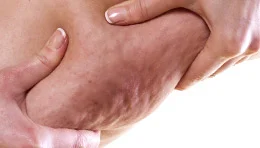
Cellulite Type 1 or Grade 1 is the formation and visibility of dimpled skin only during pinch test and compression.
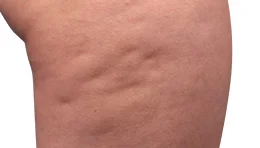
Cellulite Type 2 or Grade 2 is the formation and visibility of dimpled skin in some positions other than pinch test and compression, for example, while standing.
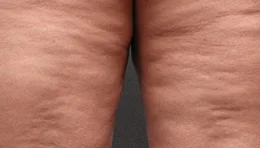
Cellulite Type 3 or Grade 3 is the formation and visibility of dimpled skin in all positions, even while standing up or lying down.

So which cellulite type or grade are you suffering from?

For information on the treatments available for cellulite reduction or improvement, click here.

Acne

A commonly overlooked yet physically and psychologically scarring problem, acne is a long-drawn problem that commences at puberty and can drag on well into one’s 20s to 30s. Adult-onset acne is also common, commencing in one’s 20s to 30s and dragging on well beyond that. Caused mainly by accumulation of dead skin, bacterial infection and uncontrolled inflammation, acne is a rather well understood medical condition. Hormonal influences, genetic factors, and even proposed dietary influences are known to be the underlying drivers of acne in some too. Early intervention is the best solution – less acne translates to less scarring, saving you precious time and finances required in attempting to resurface those pesky scars later on.

Acne Treatments

Chemical Peels

Chemical peels consist of mild acids that, when applied to skin, promote controlled exfoliation of skin as well as inactivation of the sebaceous units responsible for breakouts.

Used as a complimentary form of treatment to existing topical therapy, chemical peels can quickly and effectively control most forms of acne.

3-5 sessions are typically required at 2 weekly intervals to bring acne under control, with subsequent sessions done every 4-6 weeks for maintenance.

Find out more about Chemical Peels

Carbon Peel

Using a specialised laser and a black carbon-based ink on the face, sebaceous glands can be targeted, bacteria killed, and mild exfoliation performed.

Sessions done at 2-4 weekly intervals can help keep acne bay while also helping to lighten any post-inflammatory pigmentation left by the acne and even reduce pore size.

 Find out more about Chemical Peels

AGNES

For the larger, stubborn and recurrent acne, the use of a highly selective probe to deliver high radio-frequency energy into the sebaceous unit effectively and permanently inactivates the gland.

This more permanent solution to acne allows for effective management of recurrent acne without having to resort to oral medication such as oral isotretinoin.

Read more about AGNES acne treatment

Medical Facials for Acne Treatment

Gentle Medical Facial 

Perfect for unclogging pores and reducing P. acne presence in the skin, our gentle medical facial includes a session of microdermabrasion, a light chemical peel and a session with the Omnilux blue LED light  – a perfect combination for comedonal acne. 

Read more about Omnilux blue LED light

Sciton Blue BBL

Harnessing the power of intense blue light, the Sciton Blue BBL therapy eliminates one of the contributing factors of acne – the bacteria, P. Acne.

Stronger than LED light, BBL effectively reduces acne while calming the state of the skin as a whole. 

Read more about Sciton Blue BBL

Optimised Acne Treatment Programmes

Acne elimination programme

Combining the benefits of lasers and acids, this customised programmes aims at eliminating existing acne, preventing further acne formation and erasing the post-inflammatory hyperpigmentation formed by acne.  Skin is also renewed, texture improved and a fresh glow attained. With minimal downtime and side effects, this combination therapy is built to reign in those outbreaks.

Treatments for Freckles and Pigmentation

At The Aesthetic Studio Clinic & Surgery, we offer a variety of options for treating pigmentary problems, eliminating brown spots and uneven pigmentation. These treatments also provide additional benefits of rejuvenating the skin, improving texture and appearance, softening wrinkles, tightening the skin, removing redness and broken blood vessels.

Treatment for Freckles and Pigmentation with Topical Treatments and Creams
Topical treatments are critical to help fade brown discolouration and prevent new areas from appearing. We use established and well studied ingredients in our skincare products, such as retinoids (prescription strength vitamin A) and retinol, hydroquinones (prescription bleach at varying strengths), kojic acid, licorice, various alpha, beta, and poly hydroxy acids, exfoliants, and melanocyte stabilising products. The Aesthetic Studio carries distinguished dermatologic product lines such as Obagi, SkinCeuticals, PCA Skin, La Roche Posay, and other products only available to clinics.

Treatment for Freckles and Pigmentation with Chemical peels
We provide superficial, medium depth and deeper peels – tailored to our patients needs, pigmentation type and recovery time requirements. Even gentle light peels help fade freckles, sun spots, age spots, and other excess pigmentation to reveal clearer, younger-looking skin.

Treatment for Freckles and Pigmentation with Cosmelan® Depigmentation masque
Cosmelan® Depigmentation masque is a painless, single session, clinic applied treatment that particularly suitable for stubborn and dense pigmentation. Cosmelan®’s synergistic ingredients effect quick, effective blending and elimination of undesirable pigment. Cosmelan® is “sun-friendly”, and works well even on darker toned Asian and Latin skin. Cosmelan® will also produce a slight initial “peel” which helps refinish the skin surface while dramatically diminishing hyperpigmentation. This is followed by a specialised home skin care program to enhance, maintain and protect the new skin.

Treatment for Freckles and Pigmentation with Spectra Laser Toning
Spectra Laser Toning is an advanced treatment protocol that provides a gentle, safe, and effective treatment for stubborn blotchy hormonal pigmentation known as melasma. Spectra treatments also help with generalised pigmentation issues, redness, pore size, unwanted hair, acne, rosacea, and gently tightens and refreshes the skin. It is a favourite as there is no downtime or healing time.

Treatment for Freckles and Pigmentation with Intense Pulsed Light (IPL) – Sciton BBL
BBL/IPL treatments are the treatment of choice for reversing the signs of sun-damaged skin. It will gently reduce excess pigmentation on sun exposed areas of the body including the face, neck, chest, hands, and arms. In addition to treating brown spots, this light source treats redness, broken blood vessels, shrinks pore size, tightens skin, and can help with acne and rosacea. Maximum benefits are achieved with a series of 2 to 3 treatments.

Treatment for Freckles and Pigmentation with Fractional CO2 Laser Skin Resurfacing
Fractional Carbon Dioxide (CO2) laser skin resurfacing treatments even out skin colouring by removing the dull, damaged, outer layer of skin; while minimising downtime. In addition to treating pigmentation, these laser treatments will also improve skin texture, redness, pore size, and wrinkles, repairing sun damaged or acne-scarred skin, and treat pre-cancerous skin lesions.

At The Aesthetic Studio Clinic & Surgery, we are dedicated to enhancing the health and appearance of your skin through innovation and clinical excellence. For a comprehensive facial assessment, call +65 6737 1100 or click here for an appointment.

Tattoo Removal
Tattoos, while easily placed, are much more complicated to erase. Newer methods of treatment are more reliable, and total time required for tattoo removal can be shortened to less than a year.

Tattoos, while easily placed, are much more complicated to erase. Existing therapies involve the use of nano-second Q-switched lasers, but treatments prove difficult with many requiring 2-3 years of repeated visits at 2-3 monthly intervals. Newer methods of treatment involve the use of newly developed pico-second lasers. These lasers, firing many times faster than conventional Q switched lasers, fracture pigments more effectively. In effect, treatments are more reliable, and total time required for tattoo removal can be shortened to less than a year.

Here at The Aesthetic Studio, we employ the use of the Lutronic Picoplus Pico-second laser for optimal tattoo removal; with 4 wavelengths of light at your disposal, removal of tattoos of varying colour and complexity just got easier.

Tattoo Removal Treatment
Tattoo Removal

With a high energy output, a wide range of precisely controllable fluence output and four wavelengths of light for increased versatility, the Picoplus Pico-second laser is optimised for tattoo removal and pigment management. 

Depending on tattoo complexity, 5-10 sessions may be required at monthly intervals for optimal clearance.

Combination with ablative lasers may be advised to reduce post-laser blistering commonly associated with tattoo removal.

Read more about Lutronic Picoplus Laser

Read more about Tattoo Removal Treatments

Frequently Asked Questions