

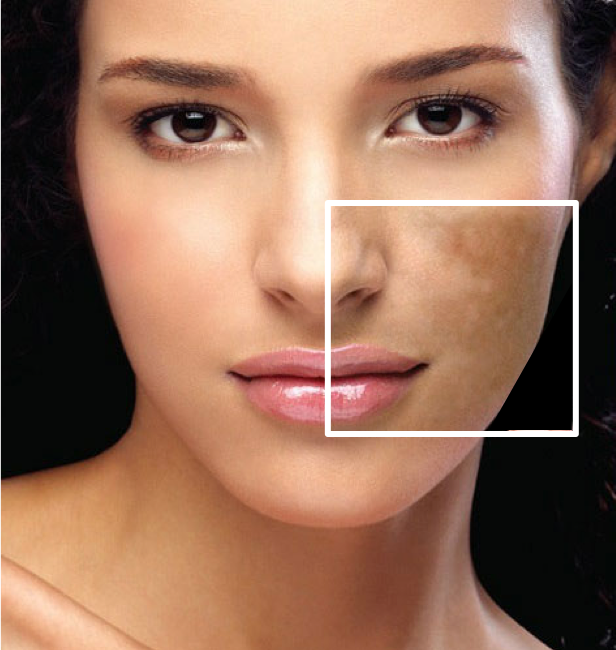
Melasma 101: Everything you need to know about the common skin pigmentation condition

Sun moustache. Pregnancy mask. Paint splatter. Melasma is a common skin pigmentation disorder that goes by different names – and appearances. Is it harmful to our skin? Is it treatable? How do we even know if we have melasma?

Ahead, we have all the facts you need on melasma – including insights from Dr Jonathan Lee of The Aesthetic Studio on effective and sustainable solutions you can consider to tackle this common skin condition.


So, what exactly is melasma?

Melasma is a common type of hyperpigmentation that results in brown to grey-brown patches, and typically appears on the face, especially on the cheeks, forehead, chin, and the bridge of the nose. 

That said, Dr Lee stresses the importance of making the distinction, stating that people should understand that melasma is a pigmentation disorder but not all facial pigmentation is melasma.

“Diagnosing melasma correctly is important, because it requires different treatments from other types of pigmentation and may not even respond to simpler treatments,” Dr Lee lets on.

It’s also important to acknowledge that melasma is prone to frequent recurrences, he adds.

The cause of melasma remains unknown but is believed to be due to an increase in the production of cells that release the pigment melanin, leading to the darkening of the skin. 


What are some of the common triggers of melasma?

There are multiple factors that are thought to trigger melasma including some cosmetics, oral hormone-based contraceptive pills, hormone therapy, drugs that cause sun sensitivity, certain anti-seizure medications as well as sun exposure. 

Melasma can often be traced through family history too, so if your mother or grandmother has the tendency of getting melasma, the chances of you seeing pigmented patches on your skin are high.

In addition, melasma is highly common during pregnancy and after childbirth. Pregnancy-related melasma is referred to as chloasma or the “pregnancy mask”.

“We also notice increasing incidences of melasma-type pigmentary complaints as women approach peri-menopause,” Dr Lee adds.


Are women more prone to getting melasma than men?

Indeed, most melasma occurs in women so we know there is a hormonal trigger or influence, says Dr Lee. Men make up about 10% of cases.


How do you know if you have melasma?

Melasma is so common and has very characteristic appearances (it’s a smokey, cloudy, and dull pigmentation that’s often patchy with clear spots), but the diagnosis of melasma is best made by a qualified physician who is able to tell in most cases by just looking at the skin. 

It’s worth noting that the condition is universal and seen in all cultures and ethnicities; however, it is far more common in people with darker skin tones including those of Asian, Hispanic, Latin, Indian, Middle Eastern, Mediterranean, and North African descent. 

Individuals with these backgrounds have higher levels of melanin in their skin and a tendency to tan. Those with fair skin may experience a lighter shade of melasma, which is not always recognised. 

When developing a treatment plan, Dr Lee posits that “ethnicity is an important factor to consider” because “the normal background colour of the skin may make certain treatments such as lasers, IPL, and other light-based treatments less suitable.”

“It is important to have multiple treatment options available and tailor treatments individually, especially when treating different ethnicities, to minimise risks and optimise results.”


Are topical skincare products effective enough to tackle melasma?

Topical anti-ageing products such as retinols, anti-oxidants, and exfoliating hydroxy acids that you can get over the counter are useful for improving skin health and delaying the signs of skin ageing in general. 

Dr Lee opines that these formulas benefit everyone including those dealing with melasma but he cautions that they should be introduced into your routine one by one in lower doses. This is to ensure your skin has time to “gradually acclimate itself, and avoid irritation.”

On the other hand, you can also consider prescribed topical products which include drugs such as hydroquinone (a chemical that blocks pigment production in the skin) and light steroids (which reduce inflammation). These can only be obtained with a doctor’s prescription so they are not available over the counter.

“I generally recommend that patients be observed and followed up when using these products, to judge effectiveness and adjust dosing accordingly, and to manage any unwanted effects. These products are typically used for short periods of several months, followed by treatment breaks or intervals,” remarks Dr Lee.


What are the in-clinic treatments that can potentially treat this type of hyperpigmentation?

In-clinic treatments are very useful and helpful for the treatment of melasma, but topical treatments should be the first line of defence even though they do take a while to work. It’s also vital that we have to be patient when treating a pigmentary condition such as melasma as it involves a lot of trial and error.

“Ultimately, patients want clearer, healthier, younger-looking skin. Having a good pre-treatment assessment ensures they get the correct treatment, while minimising the risks and disappointments,” shares Dr Lee.

Before looking at in-clinic treatments, you can first optimise your home-based anti-ageing skincare for the long term. “Both doctor and therapists will review your home care, and ensure that you have products in each category such as retinols, anti-oxidants, acids, hydration, and sun protection,” Dr Lee explains.

From there, the professionals will recommend items best suited to your skin type while guiding you through the proper order of use to ensure correct application and tolerance before increasing concentrations over time in a guided fashion.

“Doctors may then introduce, prescribe, and supervise the use of prescription products that include specialised hydroquinone (or its alternatives) and steroid formulations.”

That said, there may be some of us whose skin might not tolerate these topical products due to skin sensitivities. In this case, in-clinic procedures can be considered “very useful adjuncts to treatment” especially when “some of the other pigment production processes cannot be addressed by creams or tablets alone.” 

These protocols include chemical peels, laser or light-based treatments (with or without infusion of products), and more recently, radiofrequency microneedling.

According to Dr Lee, light-based treatments such as IPL and lasers have long been used to treat existing pigment in the skin and down-regulate new pigment formation to potentially achieve faster results. 

“That said, some caution is required when treating melasma with these modalities as overzealous application of energies can sometimes paradoxically irritate the skin and exacerbate the condition,” he expounds.

While light- and laser-based treatments target pigment directly and the cells that produce them, radiofrequency microneedling treatments aim to normalise the overactive and inflamed blood vessel network in melasma-ridden skin, restoring healthy skin characteristics. 

“These treatments also potentially create temporary micro-channels for the administration of antioxidant and anti-pigment topical products.”

If you’re considering oral prescription treatments such as ingestible tranexamic acid tablets, do exercise caution. 

“It may sound simple; however, these are taken into the body and may affect other body systems, therefore it should only be considered for the short term with supervision,” Dr Lee says.


Is there anything that can be done to prevent melasma?

The unfortunate reality of melasma is that there are currently no ways to prevent melasma. However, it is possible to manage the condition with daily long-term care before, during, and after clinic treatments.

Here are our recommendations:

  • Meticulously use a topical broad-spectrum SPF 50+ sunblock: A teaspoon (approximately 5ml) of sunblock should be applied twice a day to the face, neck, and décolleté (chest area).

    • Products you can try: Heliocare 360 Gel Oil-Free Sunscreen Dry Touch SPF50 High (oil-free) or Skinceuticals Sheer Physical or Physical Fusion (a physical sunblock for sensitive skin)

  • Include topical antioxidants with vitamins C and E, ferulic acid, and phloretin: These help to protect against UV and infra-red spectrum light.

    • Products you can try: Skinceuticals Phloretin C or Skinceuticals CE Ferulic serum

  • Consider using a topical pigment-correcting product such as Cysteamine Cream® – it is a novel pigment corrector for hyperpigmentation concerns. Naturally present in human cells, cysteamine reduces melanin in the skin epidermis, effectively removes brown spots, reduces pigmented marks, and produces a uniform and light skin complexion.

  • Incorporate oral antioxidants in your daily routine: These supplements, when consumed alongside topical sunscreens, can help further safeguard your skin against damaging UV rays.

    • Products you can try: Heliocare (contains Polypodium Leucotomos extract from the central American fern) or Crystal Tomato® (contains carotenoids)

  • Avoid hot baths, steam or dry saunas, and hot yoga which may cause excessive inflammation of the skin, so it’s best to keep these to the bare minimum if you have melasma.

  • Wear a broad-brimmed hat when outdoors – you get to protect your skin while looking extremely fashionable.

  • Hormone-balancing treatments may be required for patients experiencing hormonal fluctuations around menopause, and for patients taking hormone treatments (e.g. oral contraceptives), and this should be discussed with our doctors.

It may take several months for improvement to occur, so it is important to follow up with our skincare staff and stick to the recommended homecare routine in order to maximise the benefit from our in-clinic melasma treatment. 

In addition, our experienced nurses and doctors can recommend quality cosmetics that will not trigger melasma as well. 

If you are dealing with melasma and are currently shopping for an effective long-term program to manage this skin disorder, book a consultation with Dr Lee today.

Medical Weight Loss Management
doctor-led weight loss program combining prescription treatments & ongoing medical supervision

Doctor-Supervised Weight Loss in Singapore

Achieving lasting weight loss is not just about losing kilos quickly. It requires a medical weight loss approach that is safe, sustainable, and personalised. Our doctor-led weight loss programme in Singapore is designed for individuals seeking visible results while supporting long-term metabolic and overall health.

Whether your goal is fat reduction, improving metabolic markers, or achieving long-term weight control, our clinic’s structured weight loss management approach adapts to your body — not the other way around — providing clarity, support, and results that last

How Our Weight Loss Programme Works

Your journey begins with a comprehensive medical assessment conducted by our doctors. As part of our weight loss programme, we evaluate:

  • Body composition, BMI, and Asian-specific health risk cut-offs (if applicable)

  • Fat distribution and key metabolic markers such as blood sugar, cholesterol, and hormonal balance

  • Lifestyle patterns including diet, physical activity, and sleep quality

  • Underlying medical factors that may impact weight loss, such as insulin resistance or thyroid dysfunction

This detailed evaluation allows us to understand not just your weight, but your metabolic profile and overall health status.

Weight Management Options

Our structured weight management programme combines medical oversight, personalised planning, and evidence-based interventions to support measurable fat loss while preserving energy levels, metabolic balance, and overall wellbeing. Depending on your medical assessment, your customised weight loss plan may include:

Prescription-Based Weight Loss Support

Under close medical supervision, our doctors may prescribe clinically-approved weight loss injections to support appetite control and metabolic regulation. This can include GLP-1 receptor agonists such as semaglutide, where appropriate.

These treatments are integrated into a structured programme to enhance satiety, improve metabolic markers, and promote gradual, sustainable weight reduction while prioritising patient safety and ongoing monitoring.

Personalised Nutrition and Lifestyle Strategy

Sustainable weight management extends beyond prescription. Our doctors provide structured nutrition and lifestyle guidance tailored to your metabolic profile and health goals. This may include personalised meal planning, portion control strategies, exercise recommendations, and behavioural optimisation techniques. The objective is to improve metabolic flexibility, maintain energy levels, and support long-term adherence to healthy habits that reinforce sustainable fat loss.

Metabolic and Health Monitoring

Ongoing monitoring is a core component of our doctor-led weight loss programme.

We regularly assess body composition, BMI, waist circumference, blood sugar levels, cholesterol, and other metabolic indicators. This data-driven approach allows our doctors to adjust your weight loss management plan as needed, ensuring progress remains measurable, safe, and aligned with improvements in overall metabolic health.

Adjunct Body and Fat Reduction Support

Where appropriate, additional treatments may be recommended to complement your weight loss journey.

These options can range from energy-based therapies to body contouring interventions that support fat reduction and body composition improvements.

All adjunct options are carefully evaluated by our doctors to ensure they align with your overall health goals without compromising safety or sustainability.

Overview of Hyperpigmentation Treatments

If you’ve been eating well, exercising, and still not seeing results, the issue is often not willpower. Weight loss is strongly influenced by hormones that regulate hunger, satiety, and how your body processes energy. When these signals are out of balance, even a structured diet and exercise plan can be less effective, making sustainable fat reduction more challenging.

Ghrelin: Your Hunger Hormone

Ghrelin acts as the body’s hunger alarm. When levels remain elevated, hunger signals can feel persistent, making it difficult to maintain a calorie deficit.

What this means for you: You may feel hungry more often or struggle to stick to a diet because your body is signalling for more energy intake.

Leptin: The Hormone That Signals Fullness

Leptin communicates to your brain that you’ve eaten enough. In some people, the brain becomes less responsive to leptin, a condition often referred to as leptin resistance.

What this means for you: Even after a full meal, you may feel unsatisfied, leading to snacking or larger portions, despite having sufficient energy stores.

Are You a Candidate for Medical Weight Loss?

Our structured weight loss programme is designed for individuals seeking a safe, personalised, and sustainable approach to weight management. Eligibility is determined by our doctors after a thorough medical assessment, ensuring the programme is safe and appropriate for your individual health profile.

You may be assessed for suitability if you:

  • Have a BMI of 23 or higher or face health-related weight concerns

  • Have a waist circumference above recommended health limits (typically ≥ 80 cm for women and ≥ 90 cm for men)

  • Struggle to lose weight despite diet, exercise, or previous attempts

  • Experience repeated weight regain or “yo-yo” dieting cycles

  • Have metabolic or hormonal considerations affecting weight, such as insulin resistance, pre-diabetes, or thyroid imbalance

  • Want a personalised medical weight management programme that prioritises health, energy, and long-term wellbeing

Frequently Asked Questions
What BMI qualifies me for a weight loss programme?

Our doctor-led medical weight loss programme generally focuses on adults with a BMI of 23 or above, consistent with Asian health guidelines for overweight and obesity.

In some cases, individuals with a BMI of 22 or higher may also be considered, depending on their overall health, metabolic risk factors, and a comprehensive medical assessment. There is no strict upper limit; every programme is tailored to the patient’s individual needs to ensure safety and effective results.

Individual results vary depending on metabolic factors, treatment components, and adherence to the programme. Some patients may notice changes in hunger or energy levels within weeks, while meaningful fat loss and metabolic improvements may take several months. Sustainable progress prioritises health and long‑term management rather than rapid weight loss.

Unlike fad diets or commercial slimming programmes, our medical weight loss programme includes a comprehensive health assessment, personalised planning, monitoring of metabolic markers, and evidence‑based interventions tailored to your health needs. It focuses on sustainable fat loss and overall metabolic wellbeing rather than temporary results.

Yes. Individuals with metabolic conditions such as insulin resistance, pre‑diabetes, or hormonal imbalances often benefit from medical weight management programmes, as these target underlying physiological factors that affect weight control and overall health.

Stretch Marks
A form of scarring, stretch marks are the result of broken collagen fibres in the skin, resulting in poor quality, thin and hypo-pigmented skin. They commonly occur during rapid weight gain, pregnancy, or other instances where the skin is suddenly over-stretched.Similar to other scar treatments, the aim is to stimulate the skin at regular intervals to promote remodelling and strengthening of the poorly healed scar.
Stretch Marks Treatments & Programmes

Laser Resurfacing

Laser therapy using fractional eCO2 or picosecond lasers stimulate the dermal component of stretch mark scar tissue, thickening and tightening the thin skin over time. 

The eCO2 laser can also stimulate melanin production over the hypo-pigmented areas over time to blend the discoloured stretch marks.

ultraformer MPT hifu

The Ultraformer HIFU takes advantage of highly intense focused ultrasound at multiple depths to stimulate the scar tissue, further tightening and improving the quality of the overlying skin.

Read more about Ultraformer HIFU

Collagen Induction Therapy

Making use of modern, low down-time therapies, this form of collagen stimulation can act as a substitute to laser therapy.

Combined with Ultraformer HIFU deeper stimulation for optimal results, erase those stretch marks as effectively as possible.

Frequently Asked Questions
Non-Surgical Butt Lift in Singapore
Lift, shape & enhance the buttocks naturally without surgery or implants using non-surgical techniques
What Is a Non-Surgical Butt Lift?

A non-surgical butt lift is a modern aesthetic treatment approach designed to enhance the shape, contour and firmness of the buttocks without surgery, implants or fat transfer. Often described as a non-invasive Brazilian Butt Lift (or non-surgical BBL), it is ideal for patients seeking natural-looking butt enhancements with minimal downtime, lower risk, and more controlled results.

Unlike a traditional Brazilian Butt Lift, which requires liposuction, fat transfer, and general anesthesia, a non-surgical butt lift focuses on refinement rather than dramatic enlargement. Patients can achieve improved projection, symmetry, and overall shape safely and gradually.

Who Is a Suitable Candidate for a Non-Surgical Butt Lift?

A non-surgical butt lift may be suitable for individuals who:

  • Feel their buttocks appear flat or under-projected

  • Have mild to moderate sagging or loss of firmness

  • Are concerned about hip dips or uneven buttock contours

  • Want butt enhancement without surgery

  • Prefer gradual, natural-looking results

  • Are not suitable candidates for a surgical Brazilian Butt Lift

A thorough doctor’s assessment is essential to determine whether a non-invasive butt lift is the right approach for your body and aesthetic goals.

For those interested in learning more about the factors that contribute to an ideal buttock shape and proportion, you can read our detailed article here.

Types of Non-Surgical Butt Lift Treatments

Injectable Collagen Stimulation for Butt Enhancement

Injectable collagen stimulators, such as poly-L-lactic acid (PLLA), gradually timulate the body to produce new collagen, strengthening the underlying buttock structure. This improves projection, contour, and tissue firmness over time.

Unlike traditional fillers that only add temporary volume, injectable collagen stimulators create a natural, progressive lift, making them ideal for patients seeking refined butt enhancements rather than dramatic enlargement.

Benefits:

  • Gradual, natural-looking lift
  • Improved buttock shape and projection
  • Firmer, smoother skin texture

Butt Fillers for Shape & Symmetry contour

Butt fillers are used to refine shape, smooth contour irregularities, and correct mild asymmetry. When administered carefully by a doctor, fillers can improve the overall silhouette of the buttocks in a way that complements the hips and waist.

These treatments are particularly suited for patients who want targeted enhancement and smooth transitions between anatomical areas, achieving proportions that look natural and aesthetically pleasing.

Benefits:

  • Smooths contour irregularities
  • Corrects mild asymmetry
  • Refines overall silhouette

Energy-based Butt Lift for Gluteal muscle tone

Energy-based treatments, such as truSculpt Flex, help tone glute muscles by focusing on muscle conditioning to supporting overall contour and firmness of the buttocks without surgery.

While they do not add volume, it relies on targeted electrical muscle stimulation to activate the glute muscles, helping to enhance the appearance of lift, firmness and shape by supporting soft‑tissue structure.

Benefits:

  • Improves skin firmness and texture
  • Subtly enhances buttock contour
  • Minimal downtime and a non‑invasive approach
Frequently Asked Questions
Are non‑surgical butt lifts safe?

When performed by a qualified, experienced medical professional, non‑surgical butt lift treatments are considered safe and well‑tolerated. Key points that contribute to safety include:

  • Doctor‑led assessment and customized treatment planning

  • Use of medically approved injectables and energy‑based devices

  • Careful technique to minimise risk

  • Clear aftercare guidance

Non‑surgical options avoid the risks associated with general anesthesia, fat transfer and surgical incisions. That said, every medical treatment carries some degree of risk, which is why informed consent, proper evaluation, and expert execution are essential.

Yes, non‑surgical butt lift treatments do work for many patients when performed by qualified doctors. These options are designed to improve buttock shape, contour, projection, and skin quality without surgery:

  • Injectable collagen stimulators gradually strengthen the underlying tissue structure and build new collagen over time, leading to a natural‑looking lift and improved firmness

  • Butt fillers improve targeted volume and smooth contour irregularities

  • Energy‑based treatments like activate glute muscles to improve tone and definition, while supporting overall contour

While results may vary by treatment type, individual anatomy, and treatment plan, many patients experience noticeable improvement in shape and firmness without surgery. It’s important to set realistic expectations, as non‑surgical methods produce gradual, subtle enhancement rather than dramatic volume increases.

One of the major benefits of a non‑surgical butt lift is minimal downtime. Most patients can return to everyday activities immediately or within a day. However:

  • Injectable treatments may cause mild swelling, redness, or bruising, typically resolving within a few days.

  • Energy‑based procedures can leave the skin feeling warm or slightly tender, usually subsiding quickly.

Because these treatments avoid incisions and general anesthesia, they do not require the long recovery associated with surgical procedures.

Non-surgical butt lifts are designed for refinement, subtle lift, and contour enhancement, rather than dramatic volume increases.

While they cannot replicate the major augmentation achieved with a surgical Brazilian Butt Lift (BBL), they offer a safer, less invasive alternative for patients who want to improve projection, firmness, and shape without undergoing surgery.

Non-surgical treatments also allow for gradual, controlled improvements, giving patients a more natural, balanced result that complements their overall body proportions.

Results depend on the type of non‑surgical treatment used:

  • Butt fillers often show immediate contour improvement after the procedure.

  • Injectable collagen stimulators work over time — most patients see progressive enhancement over several weeks to months, as new collagen develops.

  • Energy‑based treatments provide subtle improvements that accumulate over a series of sessions.

Because non‑surgical butt lift treatments focus on natural tissue changes rather than brute volume addition, results tend to appear gradually.

Cellulite Reduction
The unsightly dimpling of skin that happens due to the herniation of subcutaneous fat through the fibrous tissue of the skin occurs for many reasons, and is prevalent in a large proportion of the fairer sex. Whatever the cause is, methods to reduce this is available. These include non-invasive methods that use radio-frequency and massage therapy, to invasive treatments the involve breaking the bands of fibrous tissue that contribute to the dimpled look.
Cellulite Reduction Treatments & Programmes

Therapy aims at increasing local circulation, reducing fluid retention, and releasing the fibrous tissue that cause the tethering of the skin’s surface. A combination of approaches are typically advised for a longer lasting, optimal result.

Subcision

Subcision effectively targets the cause of the dimpling – the strong fibrous bands of tissue that allow fat to herniate past them and to the skin.

A needle is placed into the skin and used to manually break these bands of tissue,  allowing underlying fat to smoothen out beneath the skin.

2-3 sessions done over 2-4 months produce optimal results.

Radiesse FIller

Radiesse, a long term collagen stimulator, is added to the skin after subcision, providing a filling effect and synergistically improving the healing rate and overall appearance of the skin

Learn more

What is Cellulite?

Cellulite occurs due to shrinkage or shortening of the fibrous tissue cords that anchor the skin, it is the formation of lumps and dimples in the skin, usually situated at the hips, buttocks, and abdomen. Cellulite occurs in both men and women, but it is more common in women due to the the different distributions of fat, muscle, and connective tissue.

There are different “grades” of cellulite:

  • Grade 1: between 1 and 4 superficial depressions, and a slightly “draped” or sagging appearance to the skin.

  • Grade 2: between five and nine medium-depth depressions, a “cottage cheese” appearance, and the skin appears moderately draped.

  • Grade 3: There is a “mattress” appearance, with 10 or more deep depressions, and the skin is severely draped.

WHAT CAUSES CELLULITE?
  • Inactive lifestyle

  • More fatty tissue

  • Loss of collagen

  • Poor circulation (a common issue in the legs)

  • Poor lymphatic (a build-up of fluid in tissues) drainage

  • An inadequate diet (honey, white sugar, pasta, pizza, animal fats, bread)

  • Wearing underwear with tight elastic across the buttocks can limit blood flow

Frequently Asked Questions