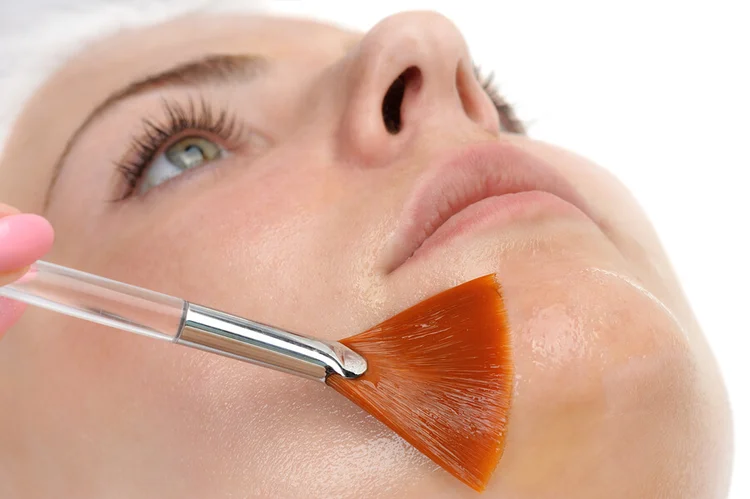


From serums and creams to ampoules and sheet masks, PDRN-infused products are everywhere, marketed as the latest must-have in Korean beauty routines. If you’re reading this, chances are you’re wondering: that PDRN cream your friend swears by — can it really match the results of PN (polynucleotide) skin boosters?
PN skin boosters are doctor-administered, injectable treatments recognised for their regenerative and anti-aging benefits. As topical PDRN products become a skincare trend, a common question we get from patients is:
Can PDRN creams really deliver the same results as injectable PN skin boosters?
Polynucleotides: Same Family, Different Science
Both PDRN creams and PN skin boosters belong to the polynucleotide family. Think of polynucleotides as “messengers” for your skin cells: they signal repair, stimulate collagen, and support tissue regeneration.
But here’s the truth: while both are derived from salmon DNA, their differences in molecular structure and delivery methods create distinct effects in the skin:

Topical PDRN creams use shorter polynucleotide chains with lower molecular weight, allowing them to penetrate the outer layers of the skin. Their activity is mainly surface-level, supporting hydration, soothing, and barrier repair.
By contrast, PN skin boosters consist of longer polynucleotide chains with higher molecular weight and are delivered directly into the dermis via micro-injections. This allows them to provide more binding sites for collagen fibroblasts, allowing deeper skin regeneration.
PDRN Creams vs. PN Skin Boosters Explained
Now that we’ve covered the science, here’s what it means for your skin in real terms — watch Dr. Koh Li-wen explain the key differences and how they affect results.
PDRN (Polydeoxyribonucleotide) Creams
PDRN Creams focus on supporting the surface layers of the skin. Their shorter polynucleotide chains and lower molecular weight allow them to penetrate efficiently into the epidermis, where they help maintain hydration, strengthen the skin barrier, and promote gentle surface-level repair. By nourishing the skin from the outside, PDRN creams prepare it for other treatments, calm irritation, and maintain overall skin health.
They act as a daily support system, enhancing resilience and comfort while promoting ongoing skin maintenance.
Key Benefits of PDRN creams:
Hydrate and soothe irritated or sensitive skin
Strengthen the skin barrier and maintain healthy skin
Reduce redness and support surface-level repair
Ideal for daily maintenance and post-procedure care
PN (Polynucleotide) Skin Boosters
PN Skin Boosters, in contrast, work deep within the dermis. Delivered via microinjections, their longer chains and higher molecular weight provide more binding sites for fibroblasts, resulting in sustained nucleotide release and prolonged cellular activation. This deeper mechanism stimulates collagen production, improves elasticity, and enhances overall skin texture.
They are designed for long-lasting rejuvenation to improving skin quality and resilience from within, providing effects that topical creams alone cannot replicate.
Key benefits of PN skin boosters:
Stimulate collagen synthesis for firmer, smoother skin
Improve elasticity and provide structural support
Promote deep dermal regeneration for long-lasting results
Enhance overall skin texture and reduce signs of aging
Finding the Right Approach for Your Skin
Choosing the right treatment isn’t just about following trends — it’s about understanding what your skin truly needs. While both PDRN creams and PN skin boosters are derived from salmon DNA, they work in fundamentally different ways and target different layers of the skin.
PDRN creams act on the surface, providing hydration, soothing, and barrier support, whereas PN skin boosters are injected into the dermis to stimulate collagen, improve elasticity, and rebuild the skin’s structure from within. This means that topical PDRN creams cannot replicate the deep regenerative effects of injectable PN skin boosters.
At The Aesthetic Studio Clinic, our doctors can assess your skin and design a personalized treatment plan to ensure you get the right approach for your unique skin needs.
Book a consultation with us today to discover how the right combination of treatments can support your skin’s health, resilience, and rejuvenation.