

Hyaluronidase Filler Correction
Targeted filler dissolving with hyaluronidase, guided by ultrasound for precise, personalised correction
Introduction
Understanding Filler Correction with Hyaluronidase
Dermal fillers can enhance facial features when appropriately administered. However, excessive volume, poor placement or filler migration can result in unwanted fullness, lumps, asymmetry or unnatural facial contours. Correcting these concerns does not always require dissolving all existing filler.
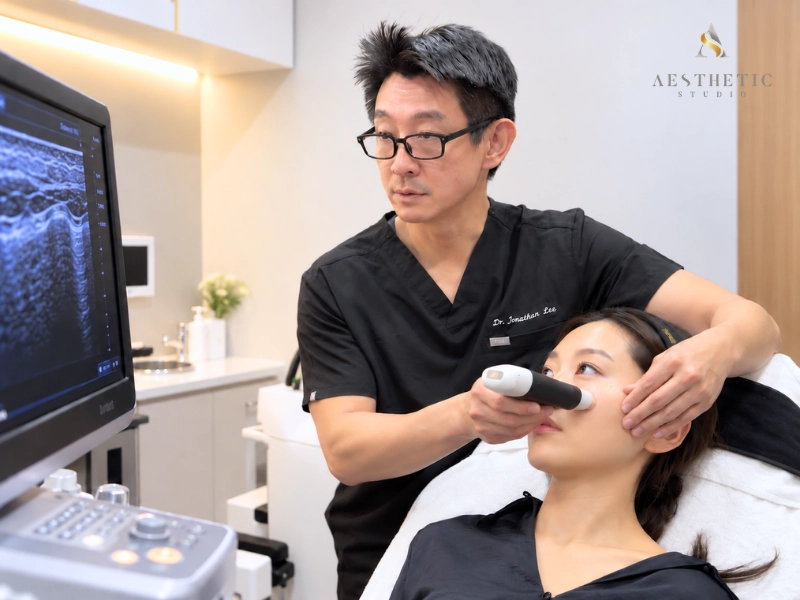
Hyaluronidase injections break down hyaluronic acid (HA) fillers, allowing for partial or more extensive dissolution depending on the clinical findings. At The Aesthetic Studio Clinic, we use high-frequency ultrasound imaging where appropriate to visualise existing filler deposits beneath the skin and guide more targeted treatment.
Our approach to filler correction in Singapore prioritises clinical assessment, selective treatment where feasible, and the preservation of natural facial proportions.
Concerns
What Filler Problems Can Hyaluronidase Help Correct?
Unwanted filler can affect facial appearance in several ways, from excessive fullness to visible irregularities. Hyaluronidase injections can help dissolve or reduce unwanted hyaluronic acid (HA) fillers, particularly when concerns arise from excessive volume, placement or migration.

Overfilled or Puffy Appearance
What You May Notice
Cheeks, lips or the chin may appear overly full, heavy or disproportionate, with less facial definition than intended following filler treatment.
Why It Happens & How Correction May Help
Cheeks, lips or the chin may appear overly full, heavy or disproportionate, with less facial definition than intended following filler treatment.
Filler Migration
What You May Notice
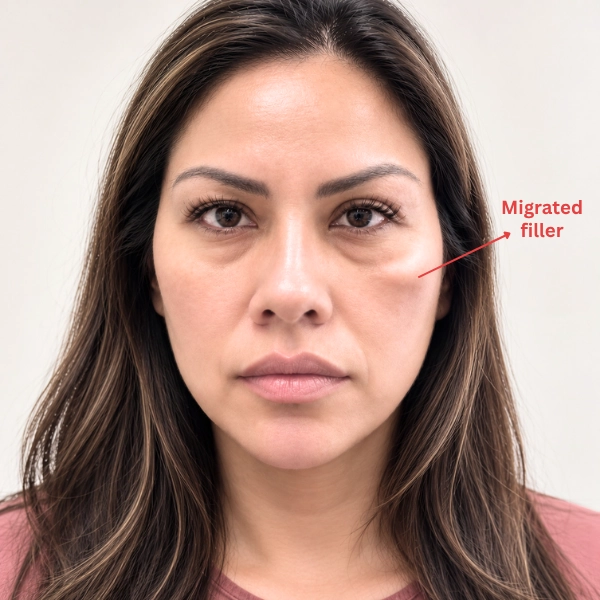
Visible bulges, fullness beyond the intended treatment area or blurred facial contours may make filler appear displaced from its original position.
Why It Happens & How Correction May Help
Filler may extend beyond its intended area due to placement or subsequent redistribution. Hyaluronidase injections may help dissolve migrated HA filler and reduce the resulting fullness.

Filler Lumps & Uneven Texture
What You May Notice
Visible bumps, uneven skin texture or palpable lumps may develop in areas previously treated with dermal filler, sometimes months after the initial injection.
Why It Happens & How Correction May Help
Superficial filler deposits may cause irregularities, although inflammation or fibrosis can appear similar. Hyaluronidase may reduce HA-related lumps, while other causes require different treatment approaches.
Under-eye Filler
What You May Notice
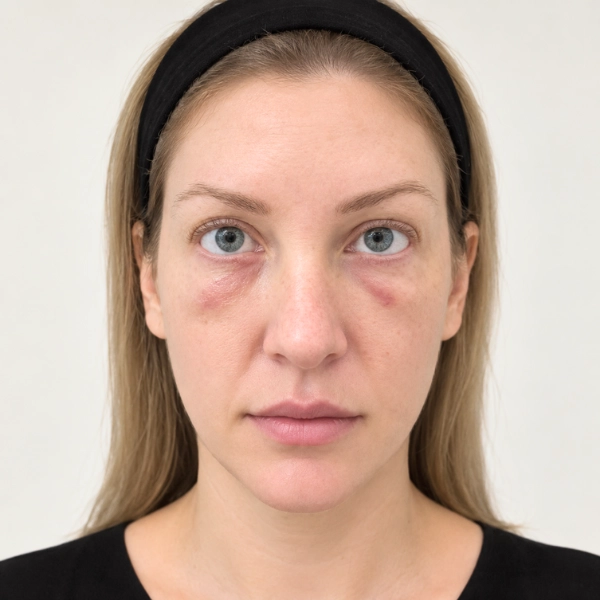
Tear trough filler may leave persistent under-eye puffiness, visible lumps or bluish-grey discolouration, particularly where the skin is thin and delicate.
Why It Happens & How Correction May Help
Superficial HA filler, excessive volume or fluid retention may contribute to these changes. Hyaluronidase may help reduce filler-related puffiness or discolouration when HA deposits are responsible.
Facial Asymmetry After Filler
What You May Notice
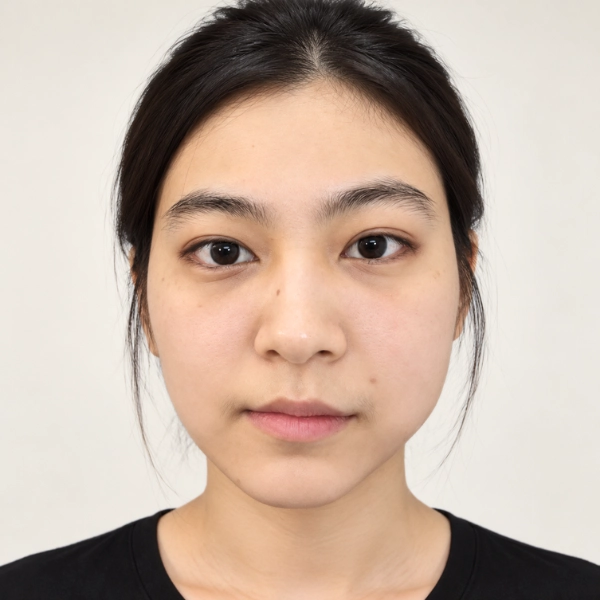
One cheek, lip or side of the face may appear noticeably fuller than the other, affecting facial symmetry and overall proportions.
Why It Happens & How Correction May Help
Uneven filler placement or volume may accentuate existing facial asymmetry. Where HA filler contributes to the difference, selective dissolving may help improve balance between treated areas.
In short
Not every lump, swelling or facial irregularity is the result of poorly placed filler. Inflammation, fluid retention and changes in surrounding tissues can produce similar appearances. A doctor’s assessment can help determine whether hyaluronidase injections are suitable for correction or whether another treatment approach is needed.
Our Approach
Anatomy-Led, Ultrasound-Guided Filler Correction
At The Aesthetic Studio Clinic, filler correction combines Dr. Jonathan Lee‘s anatomical expertise with high-frequency ultrasound imaging to support informed, individualised treatment decisions.
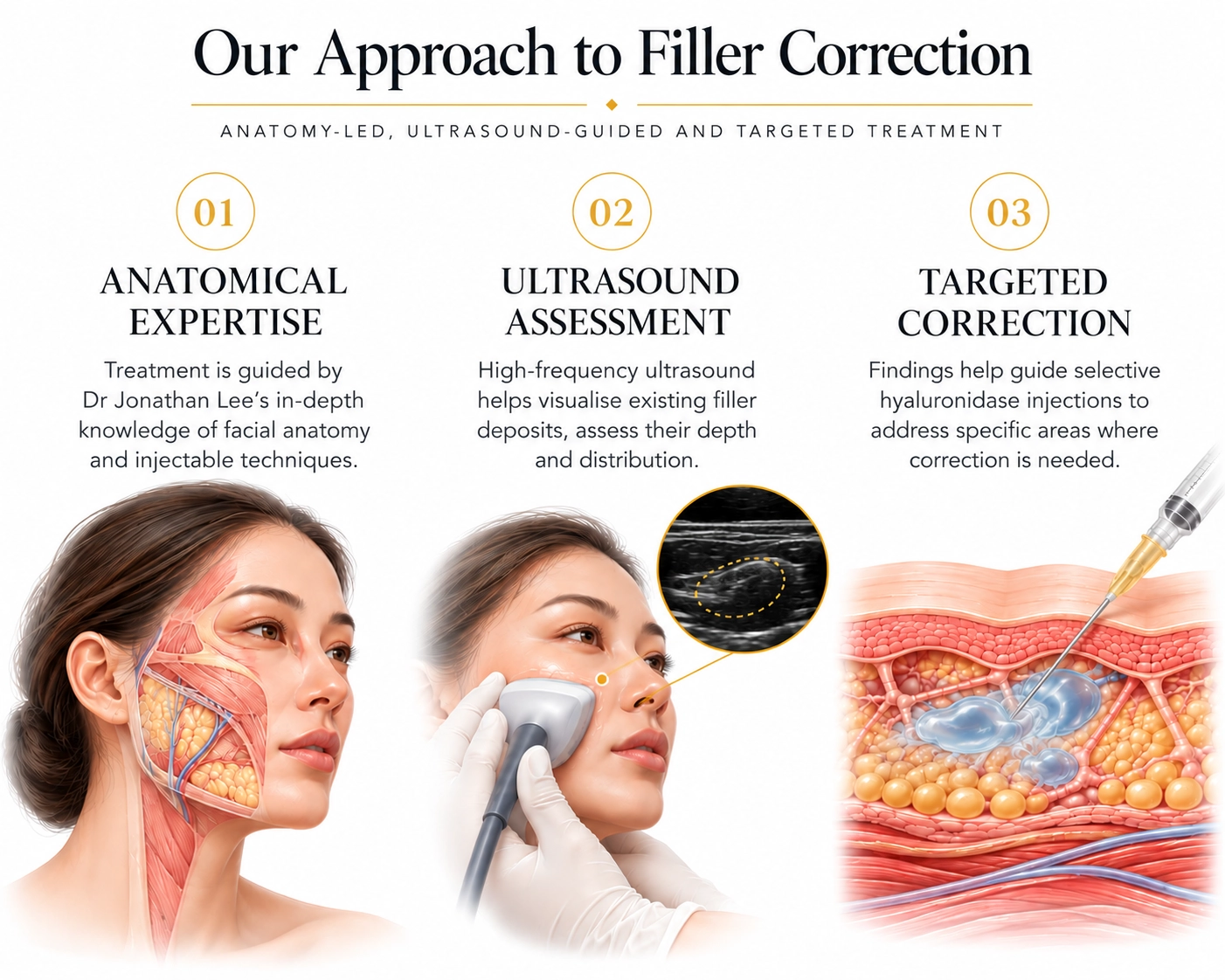
Anatomical Expertise & Training
With surgical training and experience as a medical trainer for Galderma Aesthetics, Dr. Jonathan Lee brings an in-depth understanding of facial anatomy, tissue planes and injectable techniques to filler correction.
Ultrasound-Assisted Assessment
High-frequency ultrasound imaging adds another layer of clinical insight, helping visualise existing filler deposits, assess their depth and distribution, and identify surrounding structures that may influence treatment planning.
Targeted Hyaluronidase Treatment
Combining anatomical knowledge with ultrasound findings helps guide selective hyaluronidase injections where appropriate, allowing specific HA filler deposits to be addressed without necessarily dissolving all previously placed filler.
How It Works
How Does Hyaluronidase Dissolve Dermal Fillers?
Hyaluronidase is an enzyme used to dissolve hyaluronic acid (HA) dermal fillers. It works by breaking down the HA gel into smaller fragments that the body can naturally clear, reducing filler volume. The extent of dissolution depends on the filler formulation, dosage and individual response.
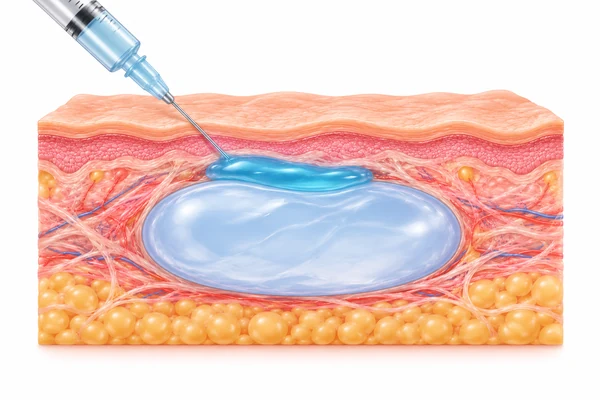
Hyaluronidase Reaches the Filler
Following a hyaluronidase injection, the enzyme comes into contact with the HA filler within the treated tissue. It begins acting on the molecular chains that give the filler its gel-like structure, initiating the dissolution process.
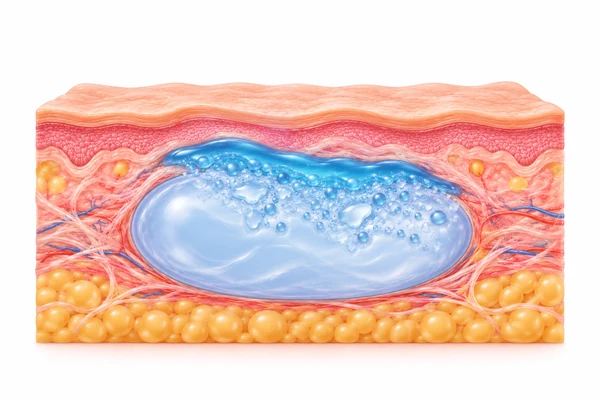
Hyaluronic Acid Chains Break Down
Hyaluronidase breaks the chemical bonds within the HA molecules, splitting long chains into smaller fragments. As these chains are broken down, the filler gel loses its structural integrity and gradually becomes less cohesive, reducing its ability to maintain volume.
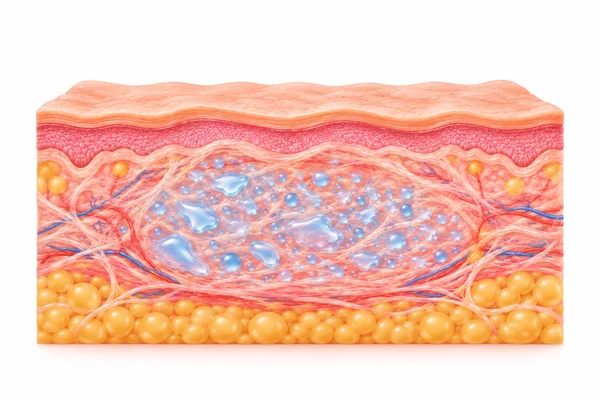
Filler Volume Reduces and Is Cleared
As the HA gel breaks down, the treated filler decreases in volume while the smaller fragments are naturally processed and cleared by the body. Hyaluronidase begins acting quickly, although visible results may take longer to assess as temporary swelling subsides.
FAQ
Frequently Asked Questions About Filler Correction
Is Hyaluronidase Safe?
Hyaluronidase is generally considered safe for dissolving hyaluronic acid (HA) dermal fillers when appropriately administered by a qualified doctor. However, as with any injectable treatment, there are potential risks and side effects to consider.
Common side effects of hyaluronidase injections include temporary swelling, redness, tenderness and bruising at the injection site. Allergic reactions are uncommon, although rare severe reactions can occur. Patients should inform their doctor of any previous medication allergies or significant reactions to bee or wasp stings.
How Soon After Filler Can I Dissolve It?
There is no single waiting period that applies to every filler correction. The timing depends on why dissolving is being considered and whether the concern is cosmetic or medically urgent.
For a recently performed filler treatment, initial swelling can temporarily exaggerate fullness or asymmetry. When there are no concerning symptoms, the doctor may recommend allowing the area to settle before deciding whether hyaluronidase is needed.
If a vascular complication is suspected, immediate medical assessment is necessary rather than waiting.
Can Migrated Filler Be Dissolved With Hyaluronidase?
Yes, migrated hyaluronic acid filler can often be treated with hyaluronidase injections, provided the displaced material is confirmed to be HA-based.
Filler migration refers to filler being present beyond its intended placement. Patients may notice fullness above the lip border, bulging around the cheeks or changes in facial contours that were not apparent immediately after treatment.
The visible area of fullness does not always correspond exactly to the filler deposit’s position beneath the skin.
High-frequency ultrasound may help locate migrated filler and assess its distribution, providing additional information for planning treatment.
The extent of correction depends on the location, amount and characteristics of the filler, as well as any surrounding tissue changes.
Can Hyaluronidase Dissolve All Types of Dermal Fillers?
No. Hyaluronidase dissolves hyaluronic acid (HA) dermal fillers, but it does not dissolve every type of injectable filler.
Many commonly used dermal fillers are HA-based and can respond to hyaluronidase treatment. However, other materials, including calcium hydroxylapatite (CaHA), poly-L-lactic acid (PLLA) and polymethylmethacrylate (PMMA), cannot be dissolved using this enzyme.
This distinction is particularly important for patients who received fillers several years ago or are uncertain which product was previously injected.
Where appropriate, high-frequency ultrasound may help identify filler deposits and provide clues about their composition. However, imaging cannot always establish the exact product or brand.
If the filler material is unknown, identifying it as accurately as possible helps determine which correction options may be suitable.
Can Poorly Placed or Excessive Dermal Fillers Be Corrected?
Yes, poorly placed, excessive or asymmetrical hyaluronic acid (HA) fillers can often be corrected using hyaluronidase injections. The enzyme breaks down HA filler, allowing its volume to be reduced or dissolved when clinically appropriate.
The treatment approach depends on the concern. An overfilled cheek may benefit from volume reduction, while a superficial filler lump may require more localised treatment. In some cases, correction involves removing only part of the existing filler rather than dissolving everything.
However, not every unsatisfactory result requires hyaluronidase. Swelling, inflammation and other tissue changes can sometimes resemble misplaced filler.
A medical assessment can help establish what is contributing to the appearance and whether dissolving is likely to address it.
How Long Does Hyaluronidase Take to Dissolve Dermal Fillers?
Hyaluronidase begins breaking down hyaluronic acid filler soon after injection, but the final visible result may take longer to assess.
Some reduction in filler volume may become noticeable within the first day or two. However, temporary swelling from the injection itself can make the treated area appear fuller or uneven during the initial recovery period.
The rate and extent of dissolution vary according to the HA filler formulation, amount present, enzyme dosage and individual tissue response.
Clinical reassessment may begin after approximately 48 hours, although a longer period may be necessary for swelling to settle and the appearance to stabilise.
Patients should avoid judging the final result immediately after treatment, particularly when correcting facial areas where small volume changes can be noticeable.
Can Dermal Fillers Be Dissolved Years After They Were Injected?
Yes, hyaluronic acid fillers may still be dissolved years after their original injection, provided HA filler remains present within the tissues.
Although HA fillers are often described as temporary, their persistence varies considerably. Imaging studies have demonstrated that detectable HA filler can remain in certain facial regions for several years after treatment.
Consequently, filler injected many years ago may still contribute to facial fullness, asymmetry or other concerns.
However, a change in facial appearance does not necessarily mean that old filler remains responsible. Age-related anatomical changes, fluid retention or other tissue conditions may also play a role.
For patients with an uncertain treatment history, ultrasound imaging may help assess whether residual filler is present before considering hyaluronidase.
Can Hyaluronidase Partially Dissolve Filler Without Removing Everything?
Yes, partial filler dissolving may be possible with hyaluronidase, particularly when the aim is to reduce excessive volume or correct a specific HA filler deposit.
For example, a patient may want to reduce fullness in one part of the lips or cheeks while retaining volume elsewhere. The doctor can adjust the treatment approach according to the filler distribution and desired degree of correction.
However, hyaluronidase can spread within surrounding tissues, and the amount dissolved cannot be controlled with absolute precision. Some nearby HA filler may also be affected.
Consequently, partial dissolving is not guaranteed to remove an exact quantity of filler. Reassessment and, occasionally, additional treatment may be needed to achieve an acceptable balance.
About This Page
Medically reviewed by Dr. Jonathan Lee, Aesthetic Physician & Consultant Surgeon · Last reviewed November 2026
This page provides general educational information about hyaluronidase and filler dissolving, and is not a substitute for individual medical advice. Hyaluronidase works only on hyaluronic acid (HA) fillers, and not every lump, swelling or irregularity after filler is caused by the filler itself. Suitability, the number of sessions required and the final result vary between individuals and should be assessed in person by a doctor.
If you develop sudden or worsening pain, skin blanching or mottled discolouration, or any change in vision after a filler injection, seek urgent medical attention rather than waiting for a routine appointment.