
PLLA-SCA for Cellulite Reduction
Improve the appearance of cellulite through your body's natural collagen stimulation
Introduction
What Is Cellulite and Why Does It Develop?
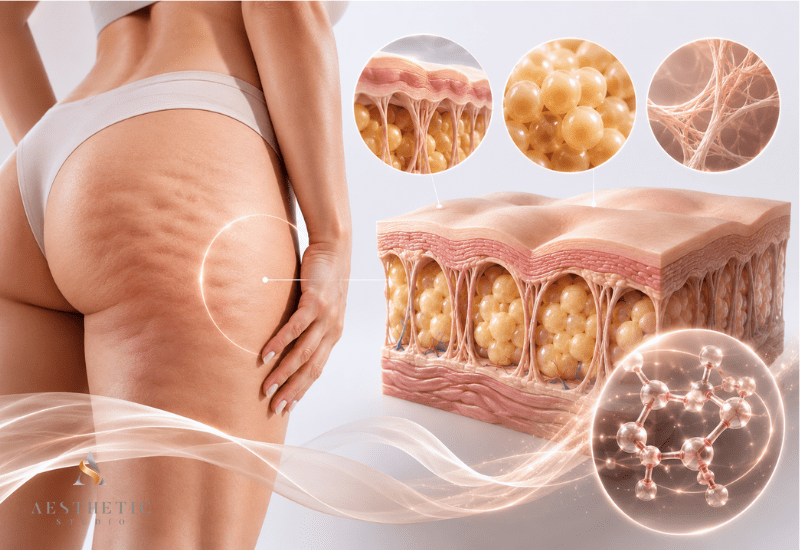
Cellulite is a common aesthetic concern that affects areas such as the thighs, buttocks, hips, and abdomen. It is characterised by a dimpled or uneven skin appearance and is one of the most common reasons individuals seek cellulite treatment options.
Although cellulite is often associated with body fat, its development is influenced by multiple factors. Fibrous connective bands beneath the skin, fat distribution, collagen loss, skin thinning, and age-related changes in skin elasticity may all contribute to the appearance of cellulite. As collagen levels decline over time, the skin may provide less structural support, making cellulite more noticeable.
Because cellulite is influenced by both the skin and underlying tissues, cellulite treatment approaches often focus on more than fat reduction alone. Improving skin quality, supporting collagen production, and enhancing dermal structure may all play a role in reducing the appearance of cellulite.
How It Works
How PLLA-SCA Works For Cellulite
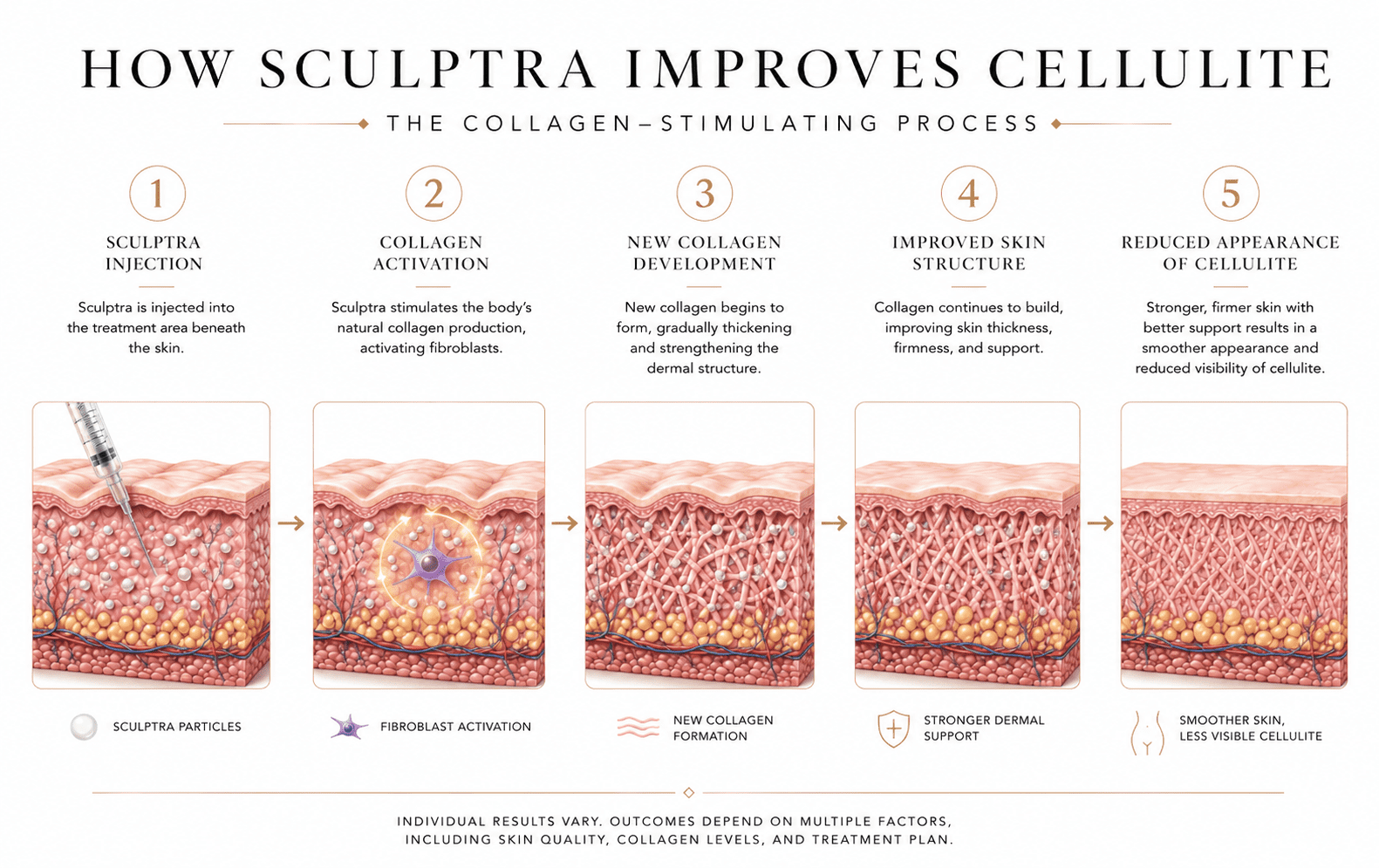
PLLA-SCA works by stimulating collagen production to improve skin quality, strengthen dermal support, and reduce the appearance of cellulite over time.
Stimulates Natural Collagen Production
Unlike treatments that primarily target fat, PLLA-SCA addresses one of the key structural factors behind the appearance of cellulite— collagen depletion and declining skin quality. Once injected, it stimulates the body’s natural collagen production, initiating gradual dermal remodelling beneath the skin.
Improving the Appearance of Cellulite
As new collagen develops, the skin becomes firmer, thicker, and better supported. By reinforcing the dermal matrix, PLLA-SCA improves skin quality, enhances firmness, and smooths the uneven skin texture associated with cellulite.
Progressive, Natural-Looking Results
Unlike traditional fillers that provide immediate volume, PLLA-SCA works by rebuilding the skin’s collagen framework over time. This gradual collagen stimulation delivers progressive improvements in skin quality, dermal support, and the appearance of cellulite while maintaining natural-looking results.
Treatment Areas
Common Cellulite Areas Treated
Abdomen
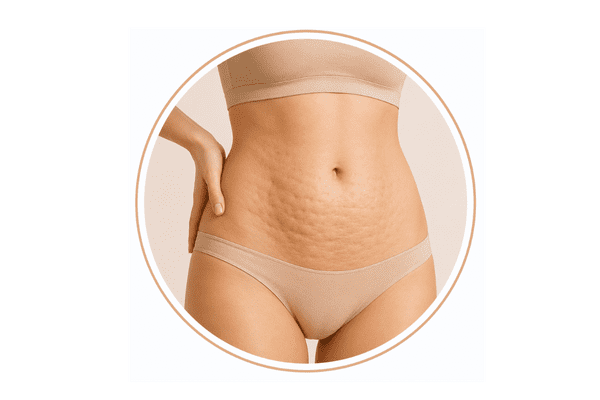
Cellulite on the abdomen may become more noticeable following pregnancy, significant weight loss, or age-related collagen decline, all of which can reduce skin firmness and structural support.
By stimulating natural collagen production, PLLA-SCA helps strengthen the dermal matrix and improve the appearance of abdominal cellulite over time.
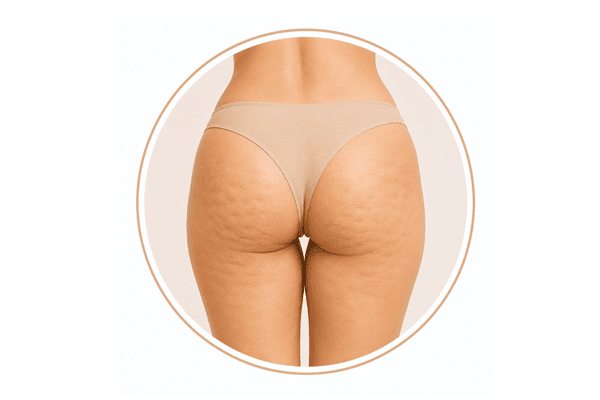
Buttocks
The buttocks are one of the most common areas affected by cellulite due to the unique arrangement of fat, connective tissue, and collagen beneath the skin.
Beyond improving the appearance of buttock cellulite, PLLA-SCA is also widely used for non-surgical butt lifts, where collagen stimulation where it supports improvements in the butt contour.
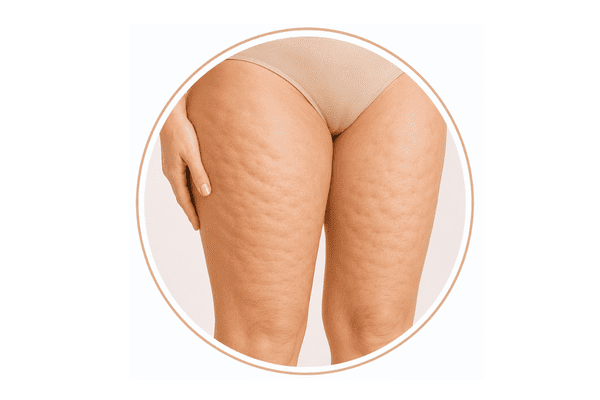
Thighs
Cellulite commonly develops on the thighs because of differences in connective tissue structure, hormonal influences, and gradual collagen loss with ageing.
Through collagen stimulation, PLLA-SCA improves skin quality, reinforces structural support, and smooths the appearance of thigh cellulite for a firmer-looking result.
Results
What Can You Expect with PLLA-SCA for Cellulite?

Immediately After Treatment
Following treatment, PLLA-SCA begins stimulating your body’s natural collagen production.
Mild swelling may cause temporary fullness in treated areas, but this settles within a few days and does not reflect your final cellulite reduction results.

4–8 Weeks: Early Results
As PLLA-SCA stimulates collagen production, the skin enters a gradual remodelling phase.
Improvements in skin texture, firmness, and dermal support may start to become noticeable as collagen rebuilds from within.

2–3 Months: Results Become Noticeable
With continued collagen regeneration from PLLA-SCA, the appearance of cellulite progressively improves.
Skin looks smoother, firmer, and more even, with natural-looking results developing steadily over time.

Beyond 3 Months: Ongoing Improvements
Collagen remodelling after PLLA-SCA continues beyond the initial phase, further enhancing cellulite improvements. Our doctor may assess your progress and recommend maintenance treatments based on your individual response and goals.
FAQ
Frequently Asked Questions About PLLA-SCA
How effective is PLLA-SCA for cellulite?
Sculptra (PLLA-SCA) can be an effective treatment option for improving the appearance of cellulite, particularly when collagen loss, skin thinning, and reduced skin firmness contribute to visible dimpling. Rather than targeting fat directly, PLLA-SCA works by stimulating your body’s natural collagen production, gradually improving skin quality, dermal support, and skin thickness over time.
Because cellulite is a multifactorial condition, results vary depending on factors such as the severity of cellulite, skin quality, age, and the underlying cause of the dimpling. During your consultation, your doctor will assess whether PLLA-SCA is suitable for your concerns or whether it should be combined with other cellulite treatments to achieve the best outcome.
Who is suitable for Sculptra cellulite treatment?
Sculptra may be suitable for individuals who wish to improve the appearance of cellulite associated with collagen loss, reduced skin firmness, or age-related changes in skin quality. It is particularly beneficial for those seeking gradual, natural-looking improvement through collagen stimulation rather than immediate correction.
A consultation is essential to determine suitability, as cellulite varies significantly between individuals. Our doctor will assess your skin quality, cellulite severity, medical history, and treatment goals before recommending the most appropriate treatment approach.
How long do PLLA-SCA cellulite results last?
PLLA-SCA results for cellulite can be long-lasting, with improvements often maintained for up to 2 years or longer in suitable individuals. The longevity of results varies depending on factors such as age, lifestyle, natural collagen decline, the severity of cellulite, and the treatment area.
Because PLLA-SCA stimulates your body’s own collagen production, improvements in skin quality and the appearance of cellulite continue to develop as collagen remodels beneath the skin. As collagen naturally declines over time, maintenance treatments may be recommended to help preserve skin quality and support long-term improvements.
How many PLLA-SCA sessions are required for cellulite?
The number of PLLA-SCA treatments varies depending on the severity of cellulite, the treatment area, and your individual response to collagen stimulation. Because PLLA-SCA works by gradually stimulating your body’s natural collagen production, treatment is personalised rather than based on a fixed number of sessions.
During your consultation, oour doctor will recommend a treatment plan tailored to your concerns and review your progress over time.
How long does it take to see results after Sculptra for cellulite?
Initial improvements are often noticed from around 6–8 weeks after treatment as new collagen begins to develop beneath the skin. Results continue to improve over the following months, with the full collagen-remodelling effect typically becoming more apparent by 3–6 months.
Because PLLA-SCA works by stimulating your body’s natural collagen production, results develop gradually rather than immediately. Individual timelines vary depending on factors such as age, collagen production, skin quality, and the severity of cellulite.
Is there any downtime after PLLA-SCA cellulite treatment?
Most individuals experience minimal downtime following Sculptra (PLLA-SCA) treatment. Temporary swelling, redness, bruising, or tenderness at the injection sites may occur and generally improve over the following days.
Our doctors will provide detailed aftercare instructions, including massage recommendations where appropriate, to support optimal collagen stimulation and recovery. Most people are able to return to their usual daily activities shortly after treatment.