Lorient Element
Topical skin booster powered by 5 highly-concetrated active ingredients to target PIGMENTATION
Introduction
What Is A Lorient Element?
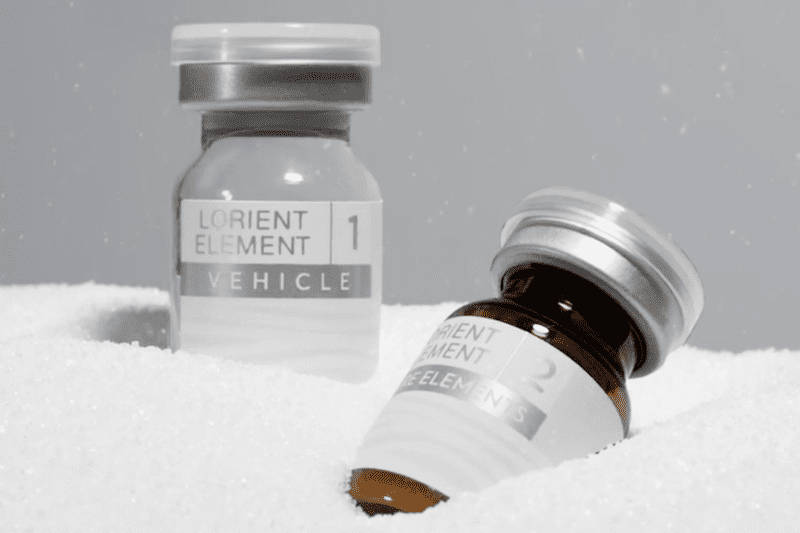
Lorient Element is a topical skin booster developed to target pigmentation concerns such as melasma, pigmentation, uneven skin tone, and dullness. Rooted in Korea’s aesthetic science, it embodies the philosophy of “minimally maximum” — achieving visible results with a minimalist yet powerful formula.
At the heart of its formulation lies a precise blend of 5 high-purity, potent active ingredients that work synergistically to restore skin clarity, radiance, and luminosity.
Formulated without unnecessary additives, preservatives, or fragrances, it can be used as a stand-alone brightening treatment or paired with laser or microneedling procedures to enhance their brightening and recovery effects.
Benefits
The Power of 5 Active Ingredients
Rather than overwhelming the skin with unnecessary additives, Lorient Element uses a pure, minimalist formulation that focuses on efficacy and compatibility. This topical skin booster is formulated with just 5 highly concentrated, medical-grade active ingredients — each chosen for its proven efficacy in brightening pigmentation, refining tone, and restoring luminosity.
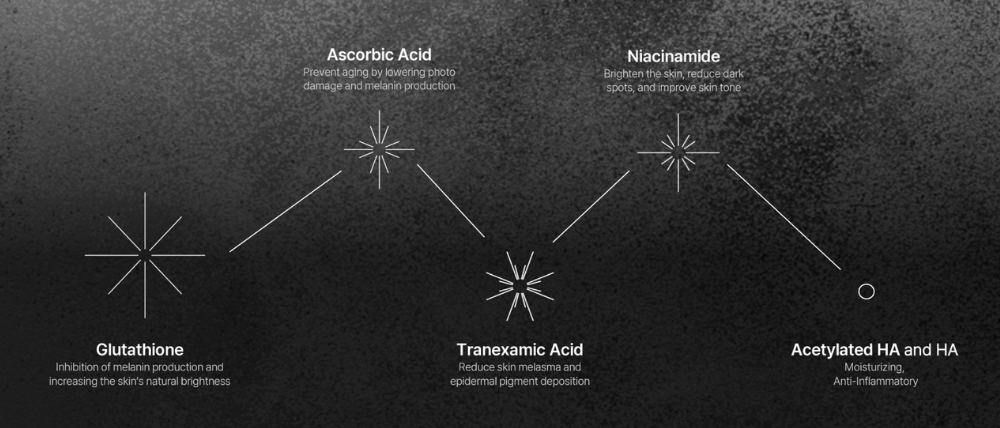
Clinically Proven Brightening Complex
Each ingredient in Lorient Element plays a distinct yet complementary role in achieving skin clarity:
Tranexamic acid helps regulate melanin formation and calm inflammation
Glutathione defends against oxidative stress to reduce dullness and pigmentation
Ascorbic acid enhances collagen production and boosts overall luminosity
Niacinamide strengthens the barrier and refines uneven texture
Hyaluronic acid replenishes deep hydration, improving suppleness and glow
What It Treats
What are the benefits of Lorient Element Skin Booster?
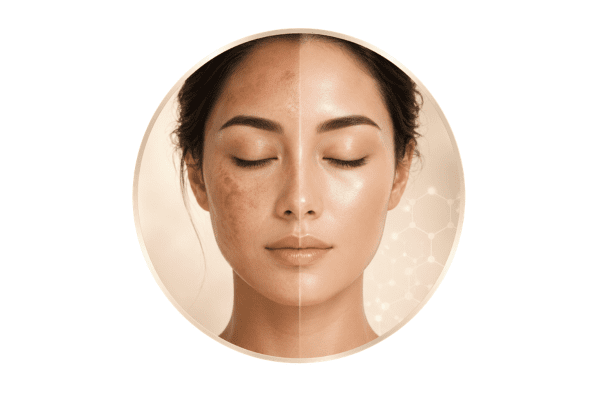
Targets Melasma & Pigmentation
Lorient Element helps address melasma, dark spots, and post-inflammatory hyperpigmentation by supporting the regulation of excess melanin activity. This is especially relevant today as pigmentation concerns are commonly triggered or worsened by UV exposure, heat, hormonal changes, and post-acne marks.
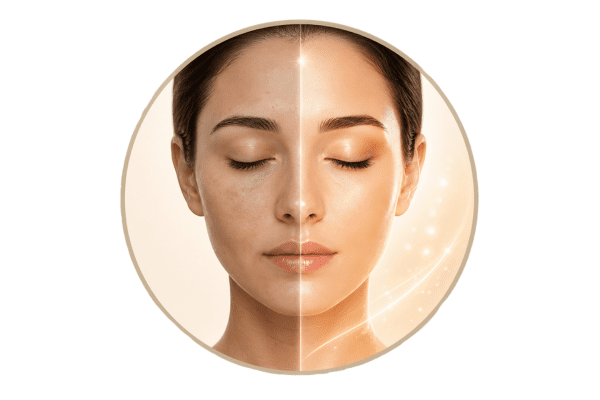
Brightens Dull, Tired-Looking Skin
Its antioxidant-supporting properties help reduce the effects of oxidative stress, which can contribute to dullness and uneven skin tone. From a dermatological perspective, this is important as daily exposure to sunlight, pollution, and lifestyle stressors can accelerate visible skin fatigue.
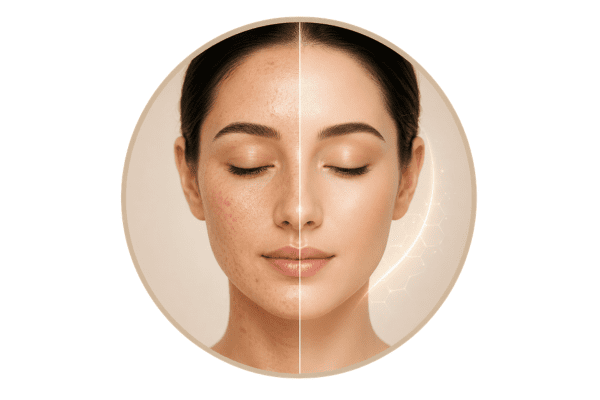
Refines Uneven Tone & Skin Texture
Lorient Element supports a smoother and more even-looking complexion by improving the appearance of uneven patches and rough skin texture. This makes it suitable for patients who are concerned with overall skin clarity and surface refinement.
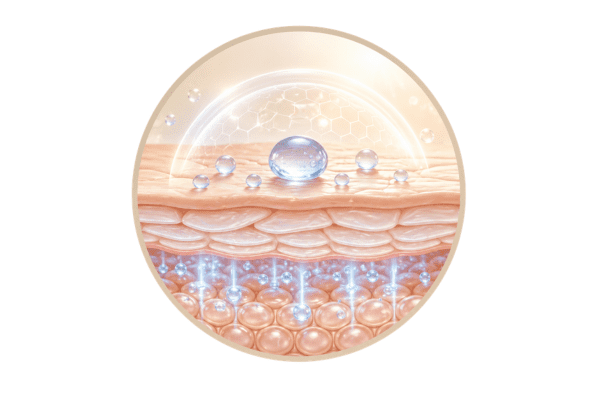
Hydrates & Supports Skin Barrier
With hyaluronic acid, Lorient Element helps improve skin hydration and barrier resilience. This is clinically relevant for individuals with melasma-prone or sensitive skin, as a stronger skin barrier can better tolerate active treatments and environmental stressors.
How It Works
How Does Lorient Element Work?
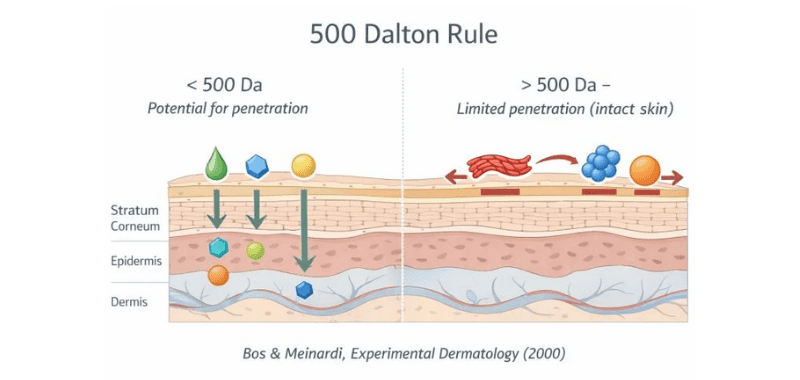
The 500 Dalton Rule: A KEY PRINCIPLE IN SKIN SCIENCE
In a study published by Experimental Dermatology, molecules larger than 500 Daltons are typically unable to effectively pass through the outermost skin barrier (the stratum corneum).
This “500 Dalton rule” matters especially for treatments targeting pigmentation, as this concern lies in the epidermis and upper dermis. By using actives under this molecular‑weight threshold, topical treatments are able to reach the layers of skin precisely where melasma and pigmentation develop.
The formulation of Lorient Element respects this principle: each of its 5 active ingredients is engineered to remain under the 500 Dalton size limit, ensuring optimal penetration. Coupled with a hyaluronic acid delivery base, the actives bypass superficial application to deliver visible brightening effects.
FAQ
Frequently Asked Questions About Lorient Element
How is Lorient Element different from other skin boosters?
Lorient Element focuses more on pigmentation, dullness, uneven tone, and radiance, while other skin boosters may focus mainly on hydration, collagen stimulation, or skin firmness.
It is not necessarily “better” than other skin boosters. The most suitable treatment depends on the patient’s main skin concern, skin type, tolerance for downtime, and desired outcome.
Is Lorient Element safe for sensitive or melasma-prone skin?
Lorient Element is generally considered a gentle and well-tolerated treatment when performed using appropriate protocols. As it is non-invasive and does not rely heavily on heat or needles, it may be suitable for patients with sensitive or melasma-prone skin.
However, melasma-prone skin can react easily to heat, irritation, and inflammation, so proper assessment is important before treatment.
Is Lorient Element painful or invasive?
Lorient Element is generally considered a non-invasive treatment and does not involve injections. Most patients tolerate the procedure well, with only mild sensations such as warmth, tingling, or temporary sensitivity during or after treatment.
This makes it suitable for patients who prefer a gentler treatment with minimal discomfort and lower downtime.
Is there any downtime after Lorient Element?
Downtime is usually minimal. Some patients may experience mild redness, warmth, tingling, or temporary sensitivity immediately after treatment, which typically settles within a short period.
As with all pigmentation-focused treatments, sun protection is important after the procedure to maintain results and reduce the risk of pigmentation recurrence.
Can Lorient Element replace my current skin booster or laser treatment?
Lorient Element does not necessarily replace other skin boosters or laser treatments. It may be used as a standalone treatment for pigmentation, dullness, and uneven tone, or as part of a broader skin plan depending on the patient’s needs.
For example, some patients may benefit more from hydrating skin boosters, while others may require laser, pigment control skincare, or medical-grade sun protection. The best option depends on clinical assessment and treatment goals.